Tankless Water Heaters in Farmers Branch
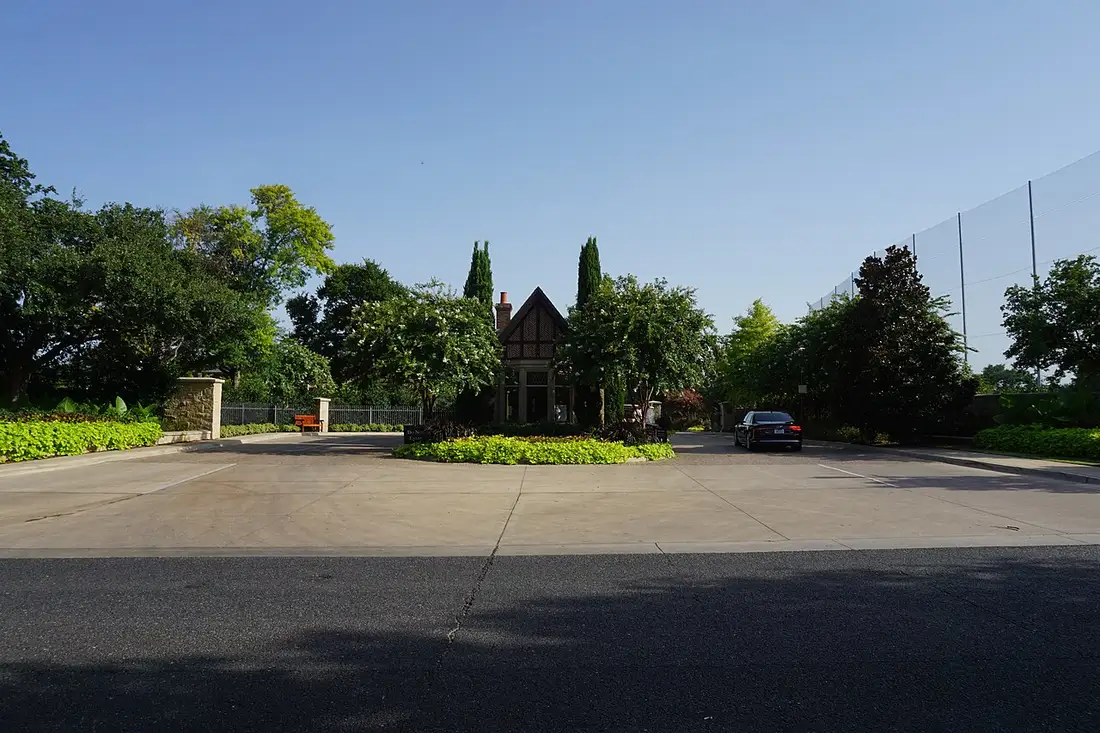
A small, established suburb of 1950s-70s homes - postwar systems at full age, kept with unusual civic pride.
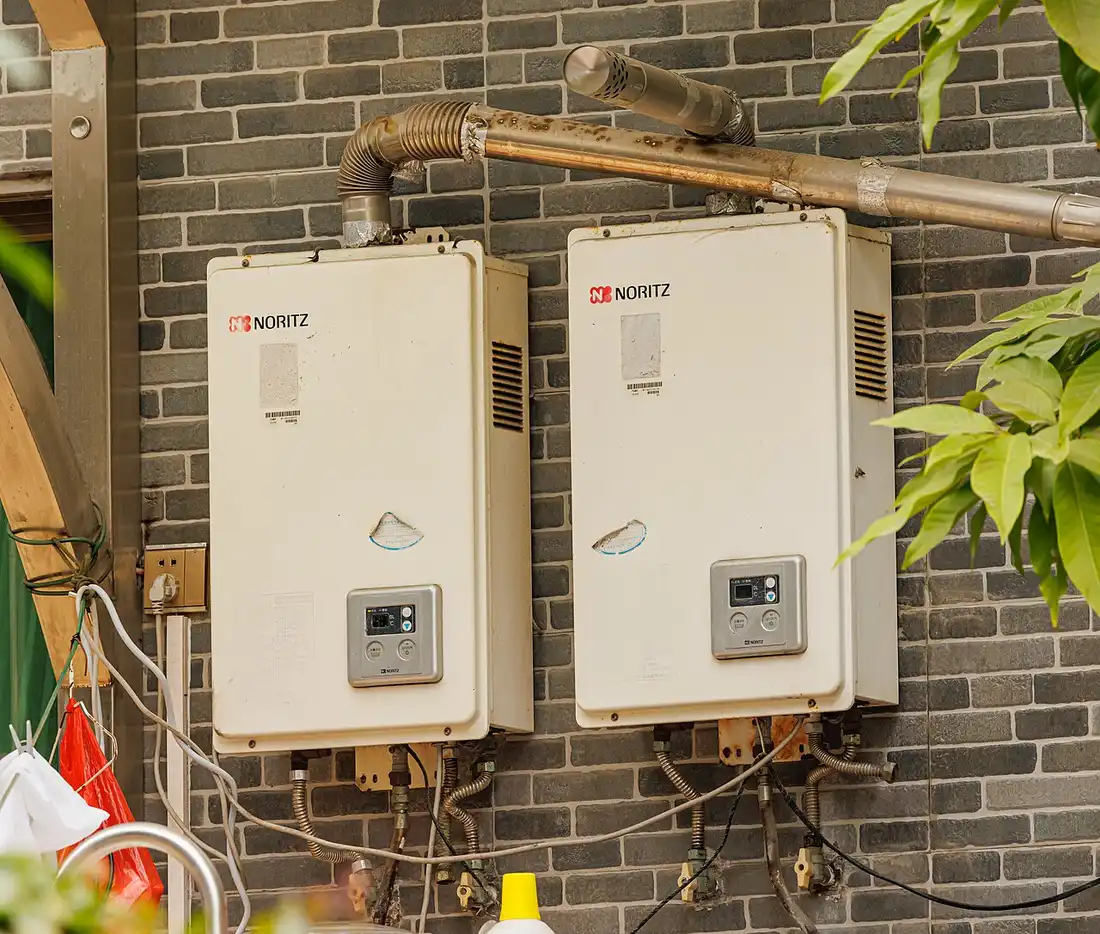
Tankless water heater installation and service in Dallas - honest sizing by winter flow, yearly descaling in hard water, and when tankless is the wrong answer.
The third constant is the sky's mood swings. North Texas summers push attic temperatures to extremes that age everything stored there - including the water heaters Texas builders insist on installing in them - while winters are mild until they are not: the February 2021 Winter Storm Uri froze and burst pipes across the metroplex, and every hard front since has replayed the lesson at smaller scale. Dallas plumbing is designed, repaired and winterized against that swing: pipes in exterior walls and crawl spaces are liabilities one week a decade, and certainties on a long enough calendar.
The fourth constant is the canopy. Dallas loves its trees - live oaks, pecans, hackberries, elms - and the trees love the moisture that seeps from sewer lateral joints. Root intrusion is the default diagnosis for a returning lateral clog in any neighborhood old enough to have both clay laterals and mature trees. Between the soil below, the water within, the sky above and the roots alongside, Dallas plumbing lives in a four-front negotiation - and the homes that fare best are the ones whose owners know all four fronts by name.
Back-to-back showers going cold, a soaking tub that empties the heater, guests turning the morning into a hot-water queue - capacity frustration is the classic tankless trigger, provided the peak flow fits a unit's winter rating.
Fifty gallons overhead is a flood with a date on it. A tankless unit holds a few cups of water, not a tankful - for attic-install owners, risk removal is often the real purchase.
A wall-mounted tankless frees the closet or garage corner the tank occupied - in townhomes and tight utility spaces, the footprint argument can decide it alone.
Homes with irregular occupancy - travel-heavy households, guest houses, a second home pattern - stop paying to keep fifty gallons hot for an empty house. Tankless heats on demand only.
Tankless ownership includes yearly descaling in Dallas water - a service visit or a DIY flush with a pump and vinegar solution. Households that will keep that rhythm get the long life; households that will not should keep a tank.
A tankless burner is several times a tank's appetite. If the home's gas service and line sizing support it (or can be economically upgraded), the install is straightforward; if not, the honest recommendation may be a high-recovery tank.
Sizing is where tankless succeeds or fails in Dallas, and the variable outsiders miss is incoming water temperature. Dallas winter groundwater and city water arrive in the low-to-mid 50s Fahrenheit in the cold months. A shower wants about 105 to 110 degrees at the head, mixed down from a 120-degree setpoint - so the unit must lift water fifty-plus degrees while flowing. A unit advertised at 9 gallons per minute at a 35-degree rise may deliver closer to 5 at a January rise. Two showers (2 to 2.5 gpm each at the head, hot fraction included), a dishwasher and a laundry fill can meet or beat that number - which is why honest sizing starts with the household's worst fifteen minutes, in winter, not the brochure's best case.
The second Dallas fact is the water itself: moderately hard, and therefore a scaling environment for a heat exchanger's narrow passages. Scale insulates the exchanger exactly as sediment insulates a tank, but the passages are smaller, so the performance fade arrives faster and the unit's own flow and temperature sensors complain earlier. The countermeasure is the yearly descale - a pump-circulated flush through the unit's service valves - which is why a proper Dallas tankless install includes isolation and service valves from day one. An install without them is a unit designed to be unmaintainable.
Installation scope is the third reality. A tankless retrofit usually involves a larger gas line than the tank used, new venting (often sealed-combustion PVC or stainless, routed differently from the old flue), a condensate drain for high-efficiency condensing models, and electrical for the controls. In an attic, add the platform and drain considerations; in a garage, freeze protection for the unit and its lines - tankless units have freeze safeguards, but Dallas's 2021 lesson applies to their exposed piping too. Permits and inspection cover the gas and venting work. None of this is exotic - it is simply more than swapping a tank, and the quote should show it.
Spring is Dallas plumbing's audit season. The winter's freeze stress - if the year had one - finishes announcing itself as the ground warms, and the spring rains saturate the clay, which swells and works on under-slab lines and laterals: slab leaks and slow laterals cluster in the wet weeks. It is the season to run the meter test, walk the yard for wet spots, camera any lateral that misbehaved in winter, and service the water heater before summer demand. Spring also opens the remodel calendar - the open-wall verdicts taken now are the least costly of the year.
Winter in Dallas is a mild season with a loaded tail: most weeks ask nothing, and then a front arrives that finds every uninsulated line in the city. The doctrine is forecast-based - when a hard freeze is predicted, the ritual runs: drip the far faucet, open the cabinet doors on exterior walls, keep the heat steady, know the shutoff. During the event, listen; at the thaw, walk the house and listen again, because Dallas pipes announce their splits when the ice lets go. A quiet winter is the ritual's reward.
Summer moves the stress indoors and up. Attics become ovens that age the water heaters sitting in them, irrigation systems run daily and hide yard leaks behind legitimate usage, and the clay - drying now - shrinks away from foundations and stresses the lines the wet spring swelled around. Slab leaks seeded by the moisture swing surface as bills spike alongside watering. Summer discipline: know your irrigation's normal consumption so a leak cannot hide inside it, keep the attic heater's pan drain clear, and treat a mid-summer bill anomaly as a leak until the meter test acquits it.
The tankless ownership bargain, stated plainly: you trade a large, dumb, forgiving appliance for a small, smart, demanding one. The tank forgave neglect for years before failing; the tankless reports neglect as error codes and lukewarm showers within a season or two in Dallas water. Owners who like systems - who keep calendars and enjoy a machine running at spec - are delighted for twenty years. Owners who want to forget the appliance exists should buy the best tank and a leak alarm. Neither answer is a failure of the technology; both are the technology honestly matched to its keeper.
Recirculation is the upgrade that completes the tankless promise in larger Dallas homes: a small pump keeps hot water moving to the far fixtures, so the endless supply is also an instant one. It adds energy cost that scheduling and smart controls contain, and it must be designed with the unit (some models include it). In homes where the heater sits far from the master bath - the classic Dallas two-story layout - recirculation is often the difference between tankless as a brochure and tankless as a daily pleasure. Raise it during sizing, not after the first cold-minute morning.
Choose tankless with your January peak in one hand and your maintenance temperament in the other. Sized for the first and matched to the second, it is a twenty-year pleasure. Sized for a brochure and maintained by optimism, it is an expensive lesson. The sizing conversation - honest, numerical, winter-based - is how you tell a real tankless installer from a box seller.
Dallas plumbing starts with the ground itself. The city sits on the Blackland Prairie, whose expansive clay - the Houston Black soil series - swells when it takes on water and shrinks and cracks as it dries. That seasonal breathing moves everything buried in it or resting on it: slab foundations flex by fractions, under-slab water lines stress at the same points year after year, and sewer laterals open at their joints a hair at a time. A large share of Dallas plumbing work - slab leaks, lateral root intrusions, drains that lose their slope - is this single geological fact expressing itself through different pipes. Any diagnosis that ignores the soil is guessing.
The water itself is the second constant. Dallas drinks from reservoirs - Lake Ray Hubbard, Lewisville Lake, Grapevine Lake, Lake Tawakoni, Lake Fork and Lake Palestine among them - and the treated supply arrives moderately hard. Hardness is a maintenance schedule written into the water: it precipitates as scale inside water heaters, crusts aerators and showerheads, stiffens faucet cartridges, and demands yearly descaling from tankless units. It is not a safety issue; it is the reason Dallas plumbing maintenance has a rhythm that soft-water cities never learn.
The household's worst fifteen minutes gets inventoried: showers, tubs, laundry, dishwasher, and their overlap in the coldest month. That profile, against winter inlet temperature, sets the required capacity.
Gas service size and line runs, venting routes, condensate disposal, electrical, and the mounting location. The audit decides model class - and occasionally decides against tankless, honestly.
Service and isolation valves, a drain path, accessible filters, and the descale ports plumbed in. The install is built so the yearly service takes an hour, not a reconstruction.
Setpoints, recirculation behavior if equipped, the error codes that matter, and the maintenance calendar handed to the owner with dates. A tankless unit's second decade is earned in its first year's setup.
Tankless prevention is a single word - descaling - surrounded by small supporting habits. The unit rewards rhythm and reports neglect; this list is the rhythm.
The communities around Dallas share its clay soil, its water and its freeze risk - with their own twists of housing era, slab construction and pier-and-beam stock.
A small, established suburb of 1950s-70s homes - postwar systems at full age, kept with unusual civic pride.
A small town of townhomes, condos and restaurant rows - shared systems and commercial loads in a few square miles.
1980s-2000s master-planned suburbia: big family homes whose first-generation systems are reaching decision age.
Lake city with a 1960s old town, 80s-90s subdivisions, and lake-side homes - three plumbing eras by neighborhood.
In the historic core, the Park Cities and the east side - Downtown Dallas, Uptown, Highland Park, University Park, Lakewood and Oak Lawn, Bishop Arts, Deep Ellum, North Dallas, East Dallas - the pipe stock runs from Dallas's oldest cast iron and clay to the boom-decade copper of the postwar subdivisions, and tankless water heaters follows that record: century-old systems in the core, mid-life stock in the subdivisions, and shifting clay working on all of it at the same rate.
Across the north and west growth sides - Oak Cliff, South Dallas, Richardson, Garland, Mesquite, Irving and Grand Prairie, Plano, Frisco, McKinney, Allen, Carrollton - sit the slab subdivisions of the 1970s onward, the growth-edge suburbs and the second-generation systems now reaching their first renewals, which together make this the steadiest tankless water heaters territory in the metro.
Beyond the city line, the same work runs in Farmers Branch, Addison, Coppell, Lewisville, Rowlett, Rockwall, DeSoto, Duncanville, Cedar Hill, Lancaster, Balch Springs - fast-growing suburbs and older inner-ring communities where slab stock, mature trees and small-city pipe add their own chapters. Every one of these area pages carries the local detail for tankless water heaters in that community.
Every area we serve has its own Tankless Water Heaters page with local detail.
Tankless Water Heaters runs across the whole service map: Downtown Dallas, Uptown and Deep Ellum; Highland Park, University Park and Oak Lawn; Lakewood, East Dallas and Bishop Arts; North Dallas, Oak Cliff and South Dallas; and beyond the city in Richardson, Garland, Mesquite, Irving, Grand Prairie, Plano, Frisco, McKinney, Allen, Carrollton, Farmers Branch, Addison, Coppell, Lewisville, Rowlett, Rockwall, DeSoto, Duncanville, Cedar Hill, Lancaster and Balch Springs. One call covers all of it - the local pages above carry the detail for each. If your street is not named here, call anyway: routes grow with demand, and most Dallas County addresses are already within reach of a scheduled run.
Tankless capacity is a rate, not a promise: gallons per minute at a temperature rise. Dallas winter water arrives in the low-to-mid 50s, so a unit's January delivery is far below its brochure number - size for January. The yearly descale is mandatory in Dallas's moderately hard water. Isolation and service valves at install are what make that service possible - an install without them is unmaintainable by design.
Read the GuideDecide by the vessel, not the part: a failed element or valve on a young tank is a repair; the same failure on a ten-plus-year tank with rust or rumble is money lent to a vessel that is leaving. In Dallas water, tank life runs eight to twelve years, with yearly flushing and anode care earning the long end. An attic location raises the stakes - a neglected attic tank is a ceiling claim waiting for its date.
Read the GuideOlder Dallas sewer laterals are clay tile (jointed every few feet) with cast-iron house drains - and both materials are at or past their design lives in the prewar and postwar neighborhoods. The failure team is consistent: clay-soil movement opens joints, tree roots enter them, cast iron scales and rots from inside. Recurring clogs are the symptom; the camera is the diagnosis.
Read the GuideFifteen to twenty years is the realistic range with yearly descaling - roughly double a tank's life in the same water. The heat exchanger is the long-life component; fans, igniters and valves are replaceable along the way.
Not required, but the pair is common in Dallas: softening stretches the descale interval and protects every other fixture too. The minimum commitment is the yearly descale; a softener is an enhancement, not a substitute for it.
A brief slug of cool water between two hot draws, caused by the unit's startup delay when a second draw begins. Modern units and recirculation setups minimize it; it is a comfort quirk to know about, not a defect.
Filling a tub is a flow-and-duration test: the unit must sustain the tub filler's rate at temperature. Large tubs on high-flow fillers are a sizing input, not an afterthought - declared at profiling, they simply set the capacity the unit must meet.
Endless in time, limited in rate: it will run a shower forever, but it has a maximum flow at winter temperatures. If your household's peak stays under that flow, the hot water genuinely does not run out. If the peak exceeds it, temperatures sag everywhere at once - which is why sizing starts with your worst fifteen January minutes.
Yearly descaling is the standard in Dallas's moderately hard water, plus inlet filter checks. The service keeps the heat exchanger's passages clear; skip years and the unit derates itself - flow codes, temperature swings - until a descale or an exchanger replacement restores it.
Yes, and attics are a popular reason to switch - the flood inventory drops from fifty gallons to almost nothing. The install must solve gas, venting, condensate and freeze protection in the attic, and many owners mount the unit in the garage or an exterior-rated location instead when the runs allow it.
When the peak flow demands two units the budget cannot support, when the gas upgrade is disproportionate, or when the household honestly will not keep the yearly descale rhythm. A well-sized, maintained tank beats a neglected tankless - the technology rewards its owners' habits.
One call connects you with a plumbing professional serving Dallas and the surrounding communities - diagnosis, repair and a clear scope before work starts.
📞 Call Now