Decide by the vessel, not the part: a failed element or valve on a young tank is a repair; the same failure on a ten-plus-year tank with rust or rumble is money lent to a vessel that is leaving.
Problem: Decide by the vessel, not the part: a failed element or valve on a young tank is a repair; the same failure on a ten-plus-year tank with rust or rumble is money lent to a vessel that is leaving.
Solution: In Dallas water, tank life runs eight to twelve years, with yearly flushing and anode care earning the long end. An attic location raises the stakes - a neglected attic tank is a ceiling claim waiting for its date.
When to call: Replacement is the sizing moment: match capacity to the household's real peak, and let the tankless question be answered by winter flow math and your maintenance temperament, not by the brochure.
Every water heater failure asks the same question in two tenses: is this a part that failed, or a vessel that is finished? The answer decides whether money buys years or merely postpones a flood. Dallas sharpens the question - hard water ages tanks on a schedule, and the region's attic installations mean a wrong 'repair it' can end through a ceiling. This guide gives the decision its proper inputs: the age math, the symptom table that separates parts from vessels, the attic factor, and the replacement-day choices (size, fuel, tank versus tankless) that the decision opens up.
The Dallas Angle
Dallas plumbing starts with the ground itself. The city sits on the Blackland Prairie, whose expansive clay - the Houston Black soil series - swells when it takes on water and shrinks and cracks as it dries. That seasonal breathing moves everything buried in it or resting on it: slab foundations flex by fractions, under-slab water lines stress at the same points year after year, and sewer laterals open at their joints a hair at a time. A large share of Dallas plumbing work - slab leaks, lateral root intrusions, drains that lose their slope - is this single geological fact expressing itself through different pipes. Any diagnosis that ignores the soil is guessing.
The vessel test: symptoms that separate parts from tanks
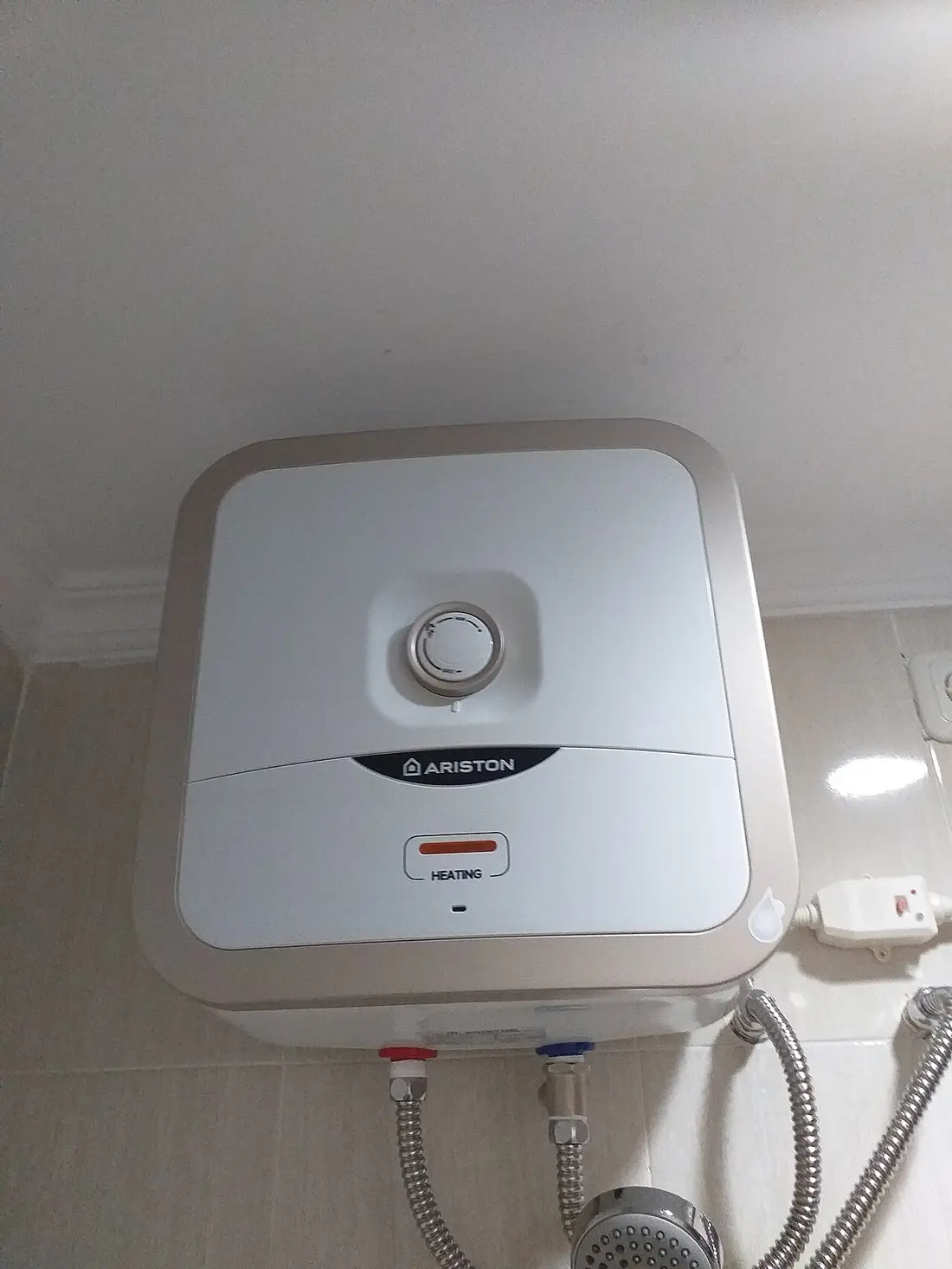
Parts fail on any tank: heating elements, thermostats, pilot assemblies, valves, igniters. They are replaceable at modest cost and their failure says little about the vessel. Vessels fail differently: rust in the hot water (the anode spent, the steel now corroding), water weeping from the tank body itself, a rumble that flushing no longer quiets (sediment baked and bonded), and age - past ten years in Dallas water, the vessel is statistically at the end regardless of symptoms. The rule that follows: parts on a sound, young vessel are repairs; anything on a vessel showing vessel symptoms is a replacement conversation, because the new part will be repossessed by the tank's failure on the tank's schedule.
Age deserves its own honesty: the data plate gives the manufacture date, and in Dallas's moderately hard water the realistic tank life is eight to twelve years, maintenance deciding where. A nine-year-old unmaintained heater with a failed element is not 'a heater with a bad element'; it is a heater at its life's end whose element happened to speak first. Conversely, a four-year-old with the same failure is a warranty-and-repair story. The calendar is a diagnostic instrument.
The attic factor and the risk math
Texas's attic installations change the decision's stakes. A garage tank that fails wets a garage; an attic tank that fails wets ceilings, insulation, drywall and everything under them, and it can fail at volume - fifty gallons plus the incoming supply until someone closes a valve. For attic units, the repair-or-replace threshold should move earlier: a vessel symptom on an attic tank argues for replacement sooner than the same symptom in a garage, and any attic install - new or kept - deserves its defenses verified: a pan that drains, a tested drain line, a reachable shutoff, and ideally a leak alarm with automatic shutoff.
The risk math also includes the failure's timing, which is never chosen by the owner. Heaters fail on holiday weekends and during freeze weeks at rates that feel personal and are actually statistical - peak demand and peak stress. Replacing on your schedule, in a mild month, with quotes compared, is the same purchase at a calmer price and a fraction of the collateral risk.
PROBLEM
→
SOLUTION
Replacement day: size, fuel and the tankless question
If replacement wins, resist the like-for-like reflex. Size to the household's peak hour - simultaneous showers, the tub, the dishwasher - which may have grown since the last tank was chosen by a builder counting fixtures. Recovery rate matters as much as gallons. Fuel follows the house's infrastructure: gas where it exists, electric where it does not, and the venting and capacity checked either way.
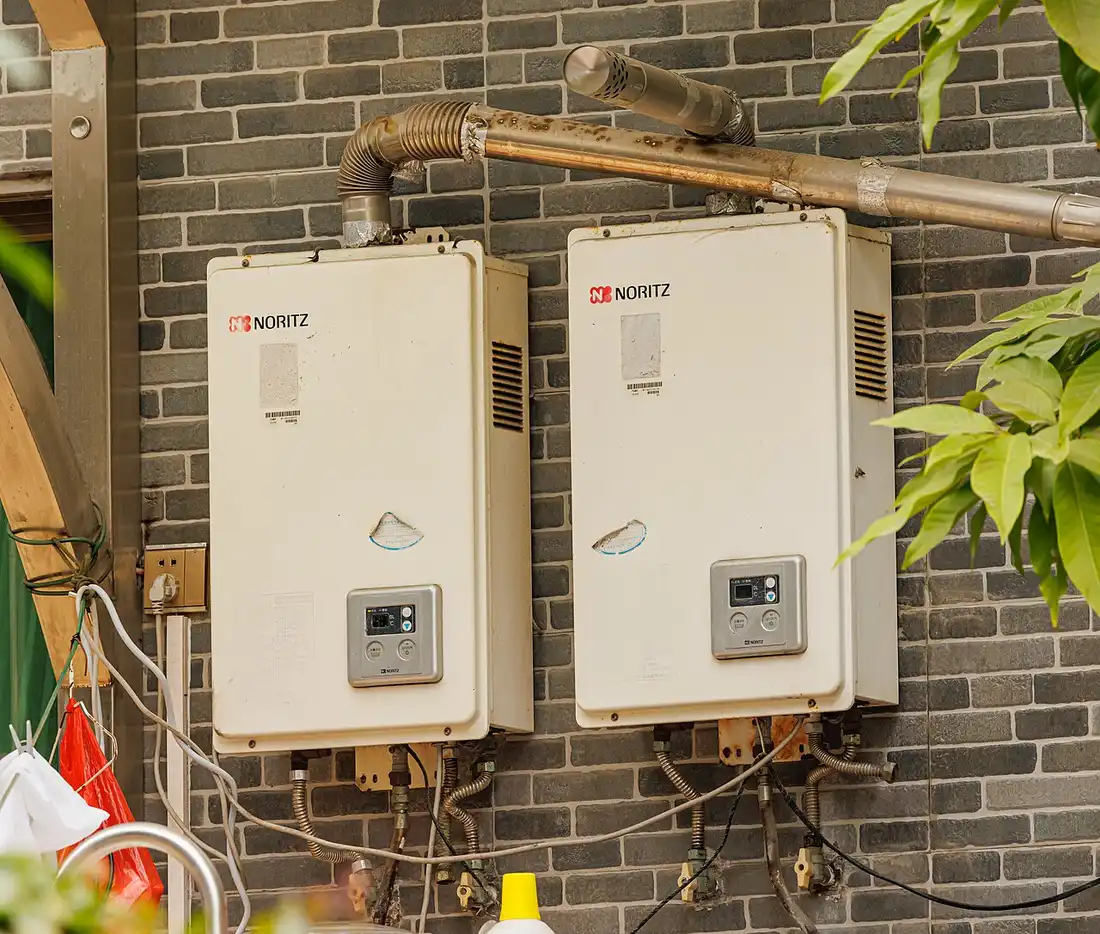
Tankless earns its full hearing here: endless hot water at a flow limit, no fifty-gallon flood inventory (an attic argument all by itself), a fifteen-to-twenty-year life - against a higher install scope (gas upsizing, venting, condensate) and the yearly descale that Dallas water makes mandatory. The honest decider is your household's winter peak flow and your maintenance temperament. A household that will descale yearly and fits the flow math should go tankless without nostalgia; a household that will not maintain should buy the best tank, the best pan, and a leak alarm, and sleep equally well.
The warranty and paperwork dimension
Tank warranties typically run six to twelve years on the vessel, shorter on parts, and they are pro-rated promises with conditions - the manufacture date and the install record decide what a claim is worth. Keep both: a photo of the data plate and the install invoice transform a warranty conversation from archaeology into paperwork. Owners are often surprised that a nine-year-old tank is 'in warranty' in a way that pays little; the vessel test in this guide exists because warranty arithmetic and reliability arithmetic are different sums.
Permits belong in the same file: a permitted replacement carries an inspection record that insurers and buyers value, and an unpermitted attic install is a liability wearing a water heater's clothes. When comparing replacement quotes, the permit line is not padding - it is part of the product.
Efficiency and the total-cost lens
The purchase price is the smallest number in a heater's decade: energy to keep fifty gallons hot through Dallas summers, the maintenance rhythm, and the risk-adjusted cost of failure dwarf it. A slightly better-insulated tank, a correctly set thermostat (120 degrees), and - for the right household - a tankless unit's elimination of standby loss all belong in the same honest ledger. So does the leak alarm over an attic pan: priced against one ceiling, it is the least costly line in the whole decision.
The total-cost lens also rehabilitates the humble repair: a maintained seven-year-old tank with a new anode and a flush can be the lowest-cost path to three more good years - cheaper than any replacement's first year. The vessel test tells you when that is true; the ledger tells you what it is worth.
Myth vs Fact
The Myth
A bigger tank is always the safer replacement. Oversizing feels like insurance and bills like a habit: a larger vessel costs more to buy, more to keep hot, and in an attic it is more gallons of flood inventory. Sizing to the household's actual peak - with recovery rate counted - beats sizing to anxiety.
VS
The Fact
Age plus one vessel symptom is the most reliable replace rule in the trade. Either alone can mislead - old tanks can be sound, young tanks can weep - but a Dallas tank past ten years that also shows rust, rumble or base moisture is giving you two independent witnesses. When both testify, believe them and schedule the replacement on your calendar, not the tank's.
The Related Service, In Depth
The tank water heater is a study in managed corrosion: the vessel is steel, the water is an electrolyte, and the anode rod exists to be eaten instead of the tank. Every maintenance ritual on this page serves that central bargain - flushing keeps sediment from stressing the floor, anode replacement renews the sacrifice, and the T&P valve stands guard over the whole arrangement. A heater whose owner understands the bargain reaches twelve years; one left to chemistry alone reaches eight and leaves through the ceiling if it lives in an attic. Few appliances repay understanding so directly.
That is the service side of this guide's subject. When you are ready, the Water Heaters page carries the process, the coverage by neighborhood and the number to call.
The Process, Step by Step
Read the data plate first
Age frames everything. Under six years leans repair; over ten leans replace; between, the symptoms decide. Photograph the plate for the house file while you are there.
Classify the symptom: part or vessel
Elements, valves and pilots are parts. Rust in the hot water, a weeping tank body, an unfixable rumble and chronic capacity fade are the vessel testifying. Parts on a sound vessel are repairs; anything on a failing vessel is a postponement.
Apply the location modifier
Attic vessels get replaced earlier - their failure is a ceiling event. Garage vessels earn their full statistical life. Same symptom, different stakes, different threshold.
If replacing, size to the real peak
Count the simultaneous morning uses, not the builder's fixture guess. Then let the tankless question be answered by winter flow math and your maintenance temperament.
Leave with the defenses set
Pan draining and tested, shutoff reachable, flush or descale calendared, permit filed. The decision is only finished when the next decade's maintenance is scheduled.
Prevention Checklist
Flush the tank yearly - sediment is the vessel's slow enemy and the rumble's author.
Check the anode every few years; a renewed anode is a renewed vessel lease.
Keep the manufacture date visible (a photo of the data plate in the house file) so the age test takes ten seconds.
Test the attic pan's drain yearly with a cup of water; a clogged pan drain is a failed defense hiding in plain sight.
Plan replacement in a mild month when the heater reaches its statistical age - your schedule, not its.
A Field Checklist for Your Own Home
Photograph the data plate and file the manufacture date where you can find it in ten seconds.
Run the vessel test
hot water color, base moisture, rumble after a flush, anode history if known.
Test the attic pan's drain (if applicable) with a cup of water and watch it empty.
Write your household's peak hour honestly
who showers, when, and what else runs.
What the Paperwork Should Show
A professional replacement scope includes: capacity sized to your stated peak, the vessel removed and disposed, pan and drain verified or renewed, shutoff replaced if tired, venting and T&P discharge to code, the Dallas permit and inspection, and the maintenance calendar handed over with dates. Anything less is a tank swap, not an installation.
A professional repair scope, by contrast, names the vessel's condition as its justification - age, water clarity, anode state - so the decision to invest in the tank is documented rather than assumed. Either scope ends with the defenses tested, because the heater's next chapter starts the day the visit ends.
How a Professional Works This Problem
Professionals read the data plate before the toolbox: age frames every recommendation, and honest ones say so - 'this part would fix it, and I would not buy it for this tank' is the sentence that separates advisors from parts-swappers. The replacement conversation they run includes the defenses (pan, drain, shutoff, alarm) and the sizing audit, because the install's quality is measured at the next failure, not this one.
Mistakes That Make It Worse
Replacing the element in a twelve-year-old tank with rusty water - lending money to a vessel that is already leaving.
Like-for-like sizing a replacement for a household that has added two teenagers and a soaking tub since the last one.
Installing an attic unit without testing the pan drain - the defense that exists on paper and not in plumbing.
Skipping the permit to win the bid, and transferring the resale and insurance problem to the homeowner silently.
The Bottom Line
Decide by the vessel, defend by the pan and the calendar, and size by your real mornings. A water heater chosen that way stops being an appliance lottery and becomes what it should be: boring, hot and forgotten.
Dallas's expansive clay swells and shrinks seasonally, flexing under-slab copper lines at the same points until a pinhole or joint fails - which is why slab leaks cluster in the moisture-transition seasons.
Older Dallas sewer laterals are clay tile (jointed every few feet) with cast-iron house drains - and both materials are at or past their design lives in the prewar and postwar neighborhoods.
My heater is nine years old and the element failed. Repair or replace?
In Dallas water, nine unmaintained years is most of a tank's life - the element is likely the first obituary, not the only one coming. If the vessel shows any rust, rumble or weeping, replace. If it has been flushed yearly, the anode is known-good and the water runs clear, the repair is defensible. The vessel's evidence, not the part's price, decides.
How much life does flushing actually add?
Sediment is the main accelerator of tank death in hard water - it insulates, overheats the floor, and stresses the steel with every cycle. Yearly flushing plus anode care is the difference between the eight-year end and the twelve-year end of the Dallas range. It cannot resurrect a neglected tank, but it reliably extends a maintained one.
Is it worth switching to tankless at replacement time?
When the household's winter peak fits a unit's real capacity and the owners will keep the yearly descale, yes - the life doubles and the flood inventory vanishes. When the peak demands two units or the maintenance will not happen, a quality tank is the honest buy. The sizing conversation, run on winter numbers, gives the answer for your house specifically.
What are the signs a heater is about to fail outright?
Water at the base from the vessel itself, rusty hot water, a T&P valve that weeps repeatedly, and age past the range with any of the above. Tank failure is rarely a dry event in an attic - treat vessel symptoms on an old attic unit as a scheduled replacement, urgently scheduled.
Please note: Dallas Plumbing Pros is an independent directory and referral service, not a plumbing contractor. The professionals reachable through this site are independent businesses; any agreement for work is between you and the professional you engage. Service information on this site is general educational material - the scope of any real plumbing work is set by an on-site inspection.
A Burst Pipe, a Backed-Up Drain or a Water Heater Gone Cold?
One call connects you with a plumbing professional serving Dallas and the surrounding communities - diagnosis, repair and a clear scope before work starts.