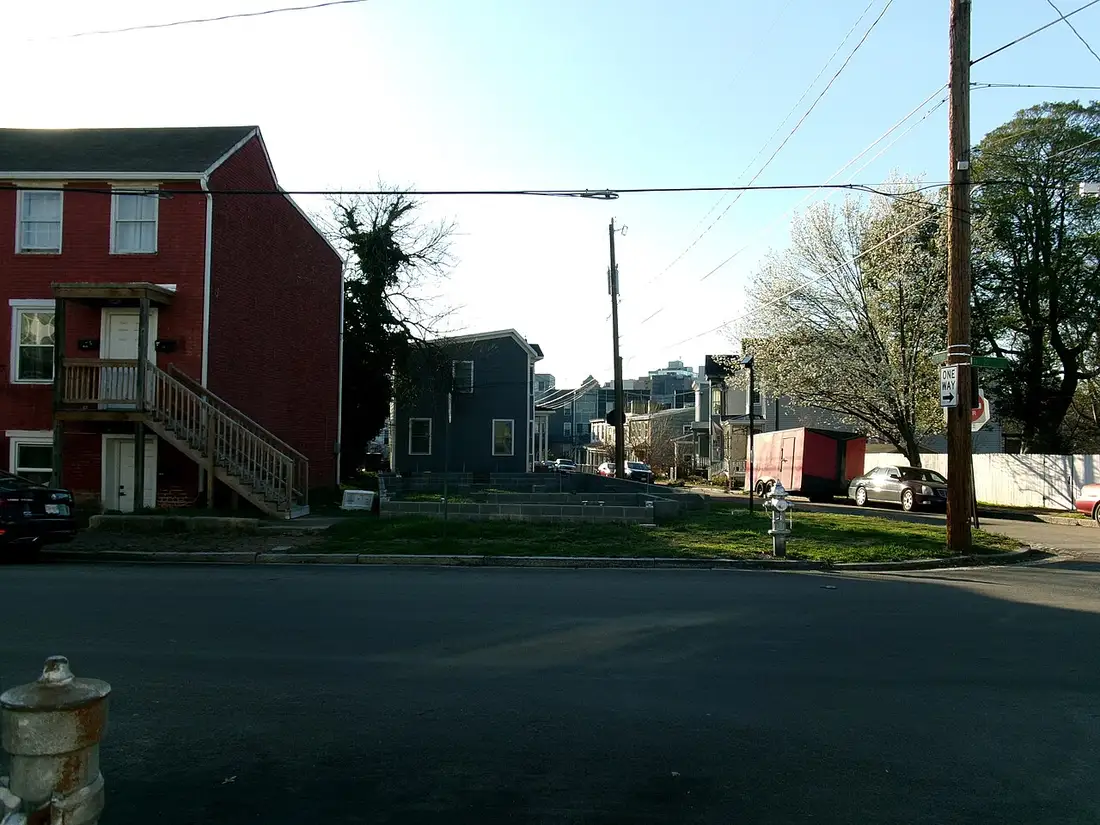
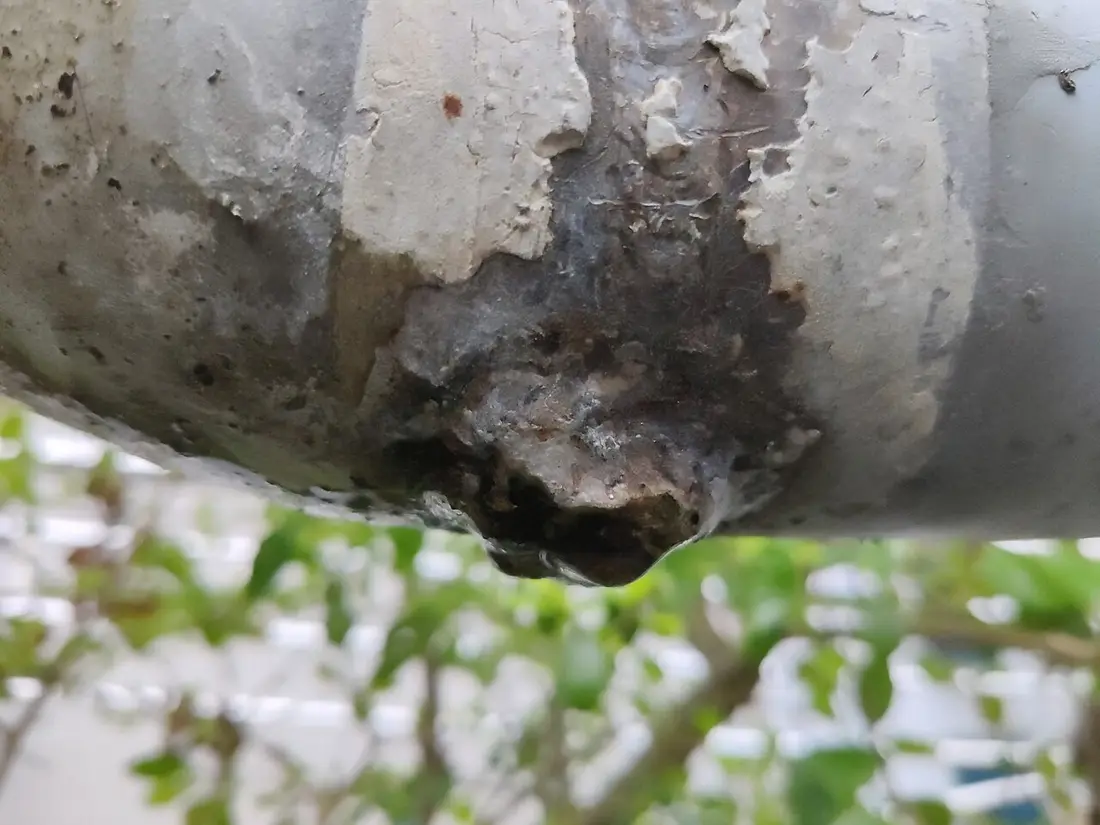
Dallas's expansive clay swells and shrinks seasonally, flexing under-slab copper lines at the same points until a pinhole or joint fails - which is why slab leaks cluster in the moisture-transition seasons.
Problem: Dallas's expansive clay swells and shrinks seasonally, flexing under-slab copper lines at the same points until a pinhole or joint fails - which is why slab leaks cluster in the moisture-transition seasons.
Solution: The meter test is the homeowner's proof: everything off, and if the low-flow indicator still moves, water is escaping somewhere hidden.
When to call: Modern detection pinpoints a leak by isolation, sound and heat before anything is opened - and the repair choice (spot repair, reroute, repipe) follows the line's age and history, not habit.
Some cities have slab leaks; Dallas has a slab leak system, with a geological cause, a seasonal calendar and a housing stock built to participate. The cause is the Blackland Prairie's expansive clay. The stock is the postwar-through-1990s slab homes plumbed in copper. The calendar is the wet-dry swing. This guide explains the whole mechanism - why the leaks happen here, how they announce (quietly, at the meter and the bill before anywhere else), how professionals locate them without exploratory demolition, and how the three repair routes compare for a given house.
The Dallas Angle
The fourth constant is the canopy. Dallas loves its trees - live oaks, pecans, hackberries, elms - and the trees love the moisture that seeps from sewer lateral joints. Root intrusion is the default diagnosis for a returning lateral clog in any neighborhood old enough to have both clay laterals and mature trees. Between the soil below, the water within, the sky above and the roots alongside, Dallas plumbing lives in a four-front negotiation - and the homes that fare best are the ones whose owners know all four fronts by name.
The clay mechanism
Houston Black clay, the Blackland Prairie's signature soil, changes volume with moisture more dramatically than almost any soil in American homebuilding: saturated, it swells; dry, it shrinks and cracks. A concrete slab resting on it moves subtly and unevenly, and the water lines beneath the slab - embedded in the soil or the slab's sand bed - are flexed at fixed points by that movement, season after season. Copper work-hardens where it flexes; joints stressed at the same angle for twenty years eventually weep, then pinhole, then leak in earnest. This is why Dallas slab leaks are not random: they cluster by neighborhood age, by season of moisture transition, and sometimes by street, as same-era homes reach the same fatigue together.
The leak then feeds its own cause. Escaping water saturates the clay locally, the clay swells unevenly, and the foundation experiences exactly the differential moisture that Dallas foundation engineers warn about - while the leak also bills its owner hundreds of gallons a day and feeds moisture into flooring from below. A slab leak is therefore three problems wearing one coat: a plumbing failure, a water bill, and a foundation moisture event. Early detection is the only move that keeps all three small.
How slab leaks announce and get found
The announcements are quiet: a water bill climbing without explanation; the meter's low-flow indicator moving with every fixture off (the definitive home test); a warm patch on tile or wood over a hot line's path; the sound of running water in a silent house; flooring that buckles, carpet edges that dampen, grout that cracks along a line. Any one of these earns the meter test; a moving meter earns the detection call.
Professional detection is a narrowing sequence. Isolation first: valves divide the system - hot from cold, house from yard, loop from loop - and the meter identifies the guilty territory. Then instruments: acoustic sensors listen for the hiss of pressurized escape through the slab, and thermal imaging reads the hot-water plume through the floor. Together they typically mark a leak within a small radius. Nothing has been opened, nothing guessed - the floor gets a mark with evidence behind it, and the repair conversation can finally be about options instead of exploration.
PROBLEM
→
SOLUTION
The repair routes, compared honestly
Spot repair opens the slab at the pinpointed leak and repairs the section. It suits a first leak in a line whose age and condition are otherwise sound - the least invasive route, and the right one more often than its critics admit. Rerouting abandons the under-slab run and carries the line through walls and attic in flexible PEX: no concrete opened, and that run can never slab-leak again. It suits leaks under irreplaceable floors and lines whose location argues against opening. Repiping retires the whole under-slab network (or the whole supply system) and suits the house on its second or third leak, where the line's biography has become the diagnosis.
The decision variables are the line's age and material, the leak count, the flooring above the leak, and the house's plans (a floor being replaced anyway changes the spot-repair math). Beware any recommendation made before detection: the route should follow the located evidence and the line's history, in that order. And after any route, verification - pressure test and a resting meter - closes the job.
The neighborhood effect: why streets leak together
Slab leaks cluster geographically in a way that surprises owners until they see the mechanism: a subdivision built in one era, with one material, on one soil profile, ages as a unit. When the first house on a 1978 street slab-leaks, its neighbors are not unlucky - they are notified. Smart streets share the information: detection reports, route choices and contractor experiences compound into local knowledge that no single household could afford to generate alone.
This also means a slab leak in a same-era neighborhood is a legitimate input to a home purchase or a renovation budget on that street - not a stigma on one house, but a property of the cohort. Buyers who ask the street's question (how many slab leaks, how handled) learn more than buyers who ask only about the house.
Living with a repaired slab: what changes after
After a repair, the house's relationship with its water should change permanently: the meter test joins the calendar, the detection report joins the house file, and the remaining under-slab lines are understood as a known-age asset with a plan - monitored, with reroute candidates identified - rather than a mystery. Flooring choices even adapt: owners who have opened a slab once often choose replaceable flooring over the line runs, a small design decision that prices the future honestly.
And the foundation conversation stays open: soil moisture management around the house - drainage that moves roof water away, even watering in drought - becomes part of the home's care, because the clay that flexed the pipe is still down there, negotiating with the slab every season.
Myth vs Fact
The Myth
A slab leak means the whole house needs repiping. One leak feels like a verdict on everything, and fear sells big scopes. In truth a first leak in a sound line is often a local fatigue point; the line's age, material and the leak's character decide. Detection evidence plus leak history - not the scare of the moment - should size the scope.
VS
The Fact
The meter test catches slab leaks earlier than any other sign. Before warm floors, before sounds, before the bill shocks - the low-flow indicator moves. It is the only sign that is both free and definitive, which is why this guide repeats it: five minutes, twice a year, is the whole early-warning system.
The Related Service, In Depth
The reroute deserves its reputation as the elegant Dallas answer. By abandoning the leaking under-slab run and carrying water through the attic and walls in PEX, the repair removes that line from the clay's jurisdiction permanently - no concrete opened, no flooring sacrificed, and the slab's future leaks (if the remaining lines age into them) become a shrinking territory as each reroute retires another run. Its limits are real - attic runs need freeze protection, and some layouts route awkwardly - but for the classic mid-house bathroom feed under irreplaceable floors, the reroute is why modern slab-leak work so rarely resembles the jackhammer stories of a generation ago.
That is the service side of this guide's subject. When you are ready, the Slab Leak Repair page carries the process, the coverage by neighborhood and the number to call.
The Process, Step by Step
Run the meter test the week a bill looks wrong
Everything off, then watch the low-flow indicator for several minutes. Movement means pressurized water is escaping somewhere; stillness rules the supply side out.
Isolate what you can yourself
Close the water heater's valve and re-watch the meter: if it stops, the leak is on the hot side. That single fact focuses the entire detection visit.
Record the soft evidence
Warm floor spots, running-water sounds in a silent house, flooring changes, and when the bill first moved. Bring it all - detection is faster with a witness statement.
Get detection before demolition
A located leak with route options, in writing, before anything is opened. The pinpoint replaces exploratory concrete work with a single, planned opening - or none.
Choose the route on the line's biography
Spot repair, reroute or repipe - decided by the line's age, material and leak history - and verify the finished work at a resting meter.
Prevention Checklist
Meter test twice a year, calendared - the earliest slab-leak warning there is, and it is free.
Keep foundation soil moisture even, including watering in drought: uniform moisture means less differential flex under the slab.
Regulate high static pressure down - pressure is stress every under-slab joint feels all day.
After a first slab leak, keep the detection report: the house now has a leak map, and the second event (if it comes) starts from knowledge.
Treat a second slab leak as a route conversation - reroute or repipe - rather than an automatic second spot repair.
A Field Checklist for Your Own Home
Run the meter test today and record the result - moving or still - with the date.
Check the water bill against the same month last year; note any unexplained climb.
Feel the floors along the likely hot-water paths for warm spots, barefoot, in the morning.
Locate your water heater's shutoff valve and confirm it turns - it is half of the home isolation test.
What the Paperwork Should Show
The professional detection scope is: prove at the meter, isolate by territory (hot/cold, house/yard, loop by loop), pinpoint with acoustic and thermal methods, and report the located leak with the route options priced against the line's age and history. Nothing in that scope opens a floor - openings belong to the repair scope that follows the decision.
The repair scope then states its route plainly - spot repair at the located point, reroute of the run overhead, or repipe of the system - with pressure testing and a resting-meter verification as its closing steps, and any opened concrete and flooring made good per the agreement.
How a Professional Works This Problem
Detection professionals think in territories before points: the meter proves, the valves divide, the instruments converge. Their reports state the loop, the method, the located point and the confidence - because the repair contractor, the insurer and the homeowner all make decisions on that document. The craft is as much epistemology as plumbing: knowing what is known, and saying plainly what is not yet.
Mistakes That Make It Worse
Opening the slab on a hunch or on where the water surfaced - water travels along the slab and surfaces rooms away from the break.
Spot-repairing a line whose biography (age, prior leaks) argues for rerouting, because it was the cheaper quote that day.
Skipping the post-repair pressure verification - an unverified system can hide a second, smaller leak behind the first one's noise.
Ignoring the foundation moisture question after a long-running leak, as if the water had only been a plumbing event.
The Bottom Line
A slab leak is the clay sending a message through your plumbing. The meter test reads it earliest, detection locates it honestly, and the route decision - made on the line's biography - is how Dallas homeowners answer it well.
Older Dallas sewer laterals are clay tile (jointed every few feet) with cast-iron house drains - and both materials are at or past their design lives in the prewar and postwar neighborhoods.
Plumbing prices are built from factors, not pulled from a chart: what failed, where it sits (slab, wall, attic, yard), how much must be opened to reach it, the materials involved, and what the opened work reveals.
Why does Dallas get so many slab leaks compared with other cities?
The combination: expansive clay that moves seasonally, a huge stock of slab homes built with copper under the slab during the decades when that was standard, and big moisture swings. Stable-soil cities with different building stock simply do not load the same dice.
Can a slab leak really affect the foundation?
Yes, indirectly: the leak saturates the clay unevenly, and uneven moisture is the primary driver of Dallas foundation movement. The plumbing fix stops the water; if the house shows foundation symptoms (new cracks, sticking doors), a foundation assessment is its own next step.
How accurate is slab leak detection?
For a pressurized leak in a typical home, isolation plus acoustic and thermal methods usually narrow the location to within a small radius - enough for a single, modest opening or a confident reroute decision. Accuracy varies with leak size, depth and construction, and a good report states its confidence.
Is it better to repair through the slab or reroute overhead?
It depends on the line's biography and the floor above it. A first leak in a sound line under replaceable flooring favors the spot repair. Repeat leaks, tired lines or precious floors favor the reroute, which also retires that run from future slab risk. Detection evidence plus leak history should make the call - not a default in either direction.
Please note: Dallas Plumbing Pros is an independent directory and referral service, not a plumbing contractor. The professionals reachable through this site are independent businesses; any agreement for work is between you and the professional you engage. Service information on this site is general educational material - the scope of any real plumbing work is set by an on-site inspection.
A Burst Pipe, a Backed-Up Drain or a Water Heater Gone Cold?
One call connects you with a plumbing professional serving Dallas and the surrounding communities - diagnosis, repair and a clear scope before work starts.