Clogged Toilet Repair in Farmers Branch
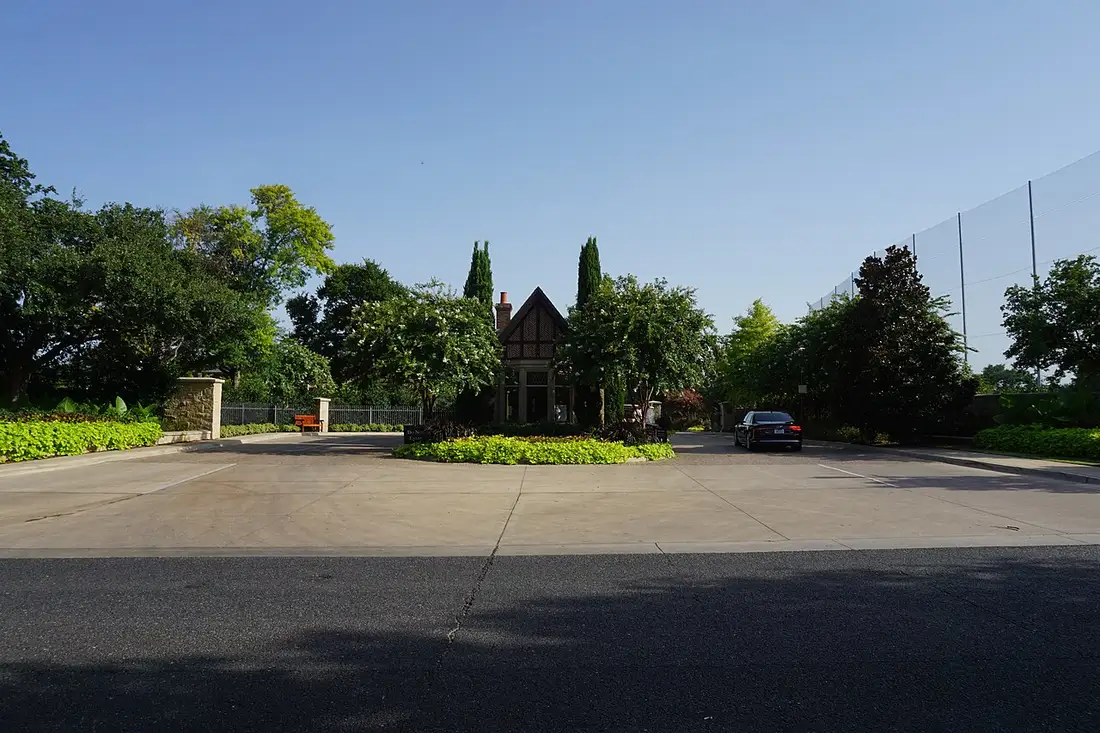
A small, established suburb of 1950s-70s homes - postwar systems at full age, kept with unusual civic pride.
Stubborn toilet clogs in Dallas - from trapway objects to branch-line blockages, cleared by the tool the location demands and verified by flush testing.
The third constant is the sky's mood swings. North Texas summers push attic temperatures to extremes that age everything stored there - including the water heaters Texas builders insist on installing in them - while winters are mild until they are not: the February 2021 Winter Storm Uri froze and burst pipes across the metroplex, and every hard front since has replayed the lesson at smaller scale. Dallas plumbing is designed, repaired and winterized against that swing: pipes in exterior walls and crawl spaces are liabilities one week a decade, and certainties on a long enough calendar.
The fourth constant is the canopy. Dallas loves its trees - live oaks, pecans, hackberries, elms - and the trees love the moisture that seeps from sewer lateral joints. Root intrusion is the default diagnosis for a returning lateral clog in any neighborhood old enough to have both clay laterals and mature trees. Between the soil below, the water within, the sky above and the roots alongside, Dallas plumbing lives in a four-front negotiation - and the homes that fare best are the ones whose owners know all four fronts by name.
A single flush's load overwhelms the trapway; the bowl fills, drains slowly, and a plunger's seal-and-thrust clears it in a few strokes. One event, one cause, done - the honest majority of clogs.
Same toilet, same week-after-week pattern, clearing each time but never staying cleared. Return means residence: something lives in the trapway or the branch - an object, scale, or a line problem - and plunging is just visiting it.
A sudden total clog after a child's bathroom visit, a dropped phone, a deodorizer cage or a cleaning tool gone missing. Objects sit in the trapway's curve where plungers push them tighter; the closet auger's claw or a fixture removal retrieves them.
When flushing the toilet makes the tub drain gurgle - or worse, when the toilet's flush rises in the tub - the blockage is downstream of both, in the branch or main. That is no longer a toilet clog; it is a drain diagnosis with the toilet as witness.
A clog accompanied by water at the base, or the lowest toilet in the house bubbling when others flush, points to the main line. Stop flushing - the next flush is the flood - and treat it as a sewer call.
An older or scaled toilet that 'clogs' on ordinary loads may simply not be flushing with force - low tank level, early-dropping flapper, scaled rim jets. It clears with a bucket pour (gravity does what the flush cannot), which is the test that separates flush failure from true blockage.
The trapway is the first territory: a molded S-curve inside the porcelain, typically two inches and change in diameter, glazed smooth when new. Dallas water changes it - mineral scale roughens and narrows the passage over years, so an older toilet's trapway catches what a new one passes. Objects lodge at the curve's tightest point. A closet auger - a short, sleeved cable designed for toilets - reaches through the trapway without scratching the porcelain, and its claw retrieves or breaks what it finds. When the auger cannot clear it, the toilet comes off and the object is taken from below: a firm rule of the trade is that what went down the trapway and will not come back is removed, not pushed onward into the branch to clog again at a worse address.
Beyond the trapway lies the branch: the three-or-four-inch line under the floor collecting the bathroom group. Branches clog from the household's history - hair and soap from the tub, scale, and in older Dallas homes the cast iron's narrowing - and a branch blockage choreographs the whole bathroom: the toilet clogs, the tub gurgles, the sink slows. The main line beyond it is the sewer story (roots, grease, clay-moved joints), and its toilet symptom is specific: the lowest fixture backs up, often with sewage, when any water runs. Reading which territory a clog lives in is the whole diagnostic game, and the fixtures themselves testify - a homeowner who reports exactly what each fixture does during an event has done half the diagnosis.
Prevention has a local accent in Dallas. The flushable-wipe problem is universal, but add: mineral scale managed by keeping rim jets and the trapway's entrance clean; children's bathrooms defended by a simple rule and a lidded trash can; and older fixtures judged honestly - a toilet whose trapway is scaled to a permanent narrows is a replacement, not a monthly auger appointment. The goal of the service is a toilet whose clogs are rare, soft and plunger-sized - everything beyond that pattern is a signal the system wants a diagnosis.
Winter in Dallas is a mild season with a loaded tail: most weeks ask nothing, and then a front arrives that finds every uninsulated line in the city. The doctrine is forecast-based - when a hard freeze is predicted, the ritual runs: drip the far faucet, open the cabinet doors on exterior walls, keep the heat steady, know the shutoff. During the event, listen; at the thaw, walk the house and listen again, because Dallas pipes announce their splits when the ice lets go. A quiet winter is the ritual's reward.
Summer moves the stress indoors and up. Attics become ovens that age the water heaters sitting in them, irrigation systems run daily and hide yard leaks behind legitimate usage, and the clay - drying now - shrinks away from foundations and stresses the lines the wet spring swelled around. Slab leaks seeded by the moisture swing surface as bills spike alongside watering. Summer discipline: know your irrigation's normal consumption so a leak cannot hide inside it, keep the attic heater's pan drain clear, and treat a mid-summer bill anomaly as a leak until the meter test acquits it.
Fall is the preparation season, and Dallas homeowners who lived through February 2021 keep it faithfully. Insulate the exposed runs while the weather is kind, disconnect hoses before the first front rather than after, service the heater, descale the tankless, and rehearse the shutoff. The clay begins its wet-season swell as rains return, so fall is also when lateral roots - grown fat all summer - start closing lines: a pre-holiday camera or cleaning for a root-history lateral is the least costly insurance against a Thanksgiving backup.
The history of a house can be read in its toilet clogs. Construction debris in a new home's first year, toys in the toddler years, scale in the fixture's second decade, wipes in the guest bathroom after every holiday - each era leaves its signature in the trapway. A plumber clearing a clog is also reading that diary, and the useful ones report it: the pattern is the prevention plan, personalized. Households that hear the pattern once usually change the one habit that matters - what goes into the bowl - and graduate from the clog economy entirely.
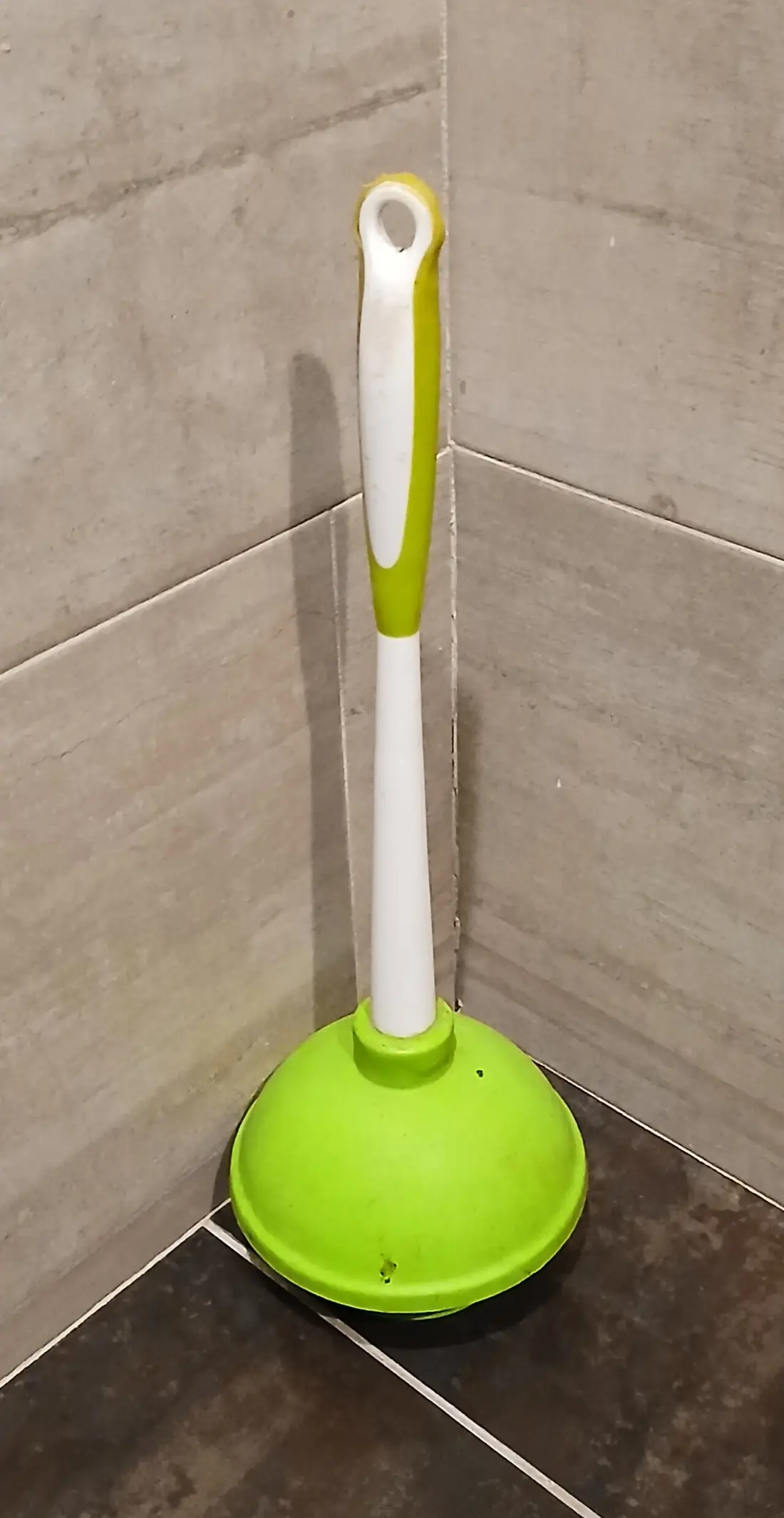
A word for the plunger, the most underrated tool in the house: used correctly - flange type for toilets, cup submerged, strokes that push and pull with the seal held - it clears the large majority of clogs it is meant for. Used frantically it compacts soft blockages and splashes contaminated water. Technique, not force, is the plunger's active ingredient; and when technique fails twice, the tool has delivered its verdict that the problem lives deeper, which is information worth having before the auger or the phone comes out.
Choose escalation by evidence: plunger for the honest clog, auger for the resident one, camera for the one the other fixtures testify about. And choose retrieval over propulsion for anything solid - the trapway keeps what it catches until someone removes it properly. A clog with its cause named is a clog that stays cleared.
Dallas plumbing starts with the ground itself. The city sits on the Blackland Prairie, whose expansive clay - the Houston Black soil series - swells when it takes on water and shrinks and cracks as it dries. That seasonal breathing moves everything buried in it or resting on it: slab foundations flex by fractions, under-slab water lines stress at the same points year after year, and sewer laterals open at their joints a hair at a time. A large share of Dallas plumbing work - slab leaks, lateral root intrusions, drains that lose their slope - is this single geological fact expressing itself through different pipes. Any diagnosis that ignores the soil is guessing.
The water itself is the second constant. Dallas drinks from reservoirs - Lake Ray Hubbard, Lewisville Lake, Grapevine Lake, Lake Tawakoni, Lake Fork and Lake Palestine among them - and the treated supply arrives moderately hard. Hardness is a maintenance schedule written into the water: it precipitates as scale inside water heaters, crusts aerators and showerheads, stiffens faucet cartridges, and demands yearly descaling from tankless units. It is not a safety issue; it is the reason Dallas plumbing maintenance has a rhythm that soft-water cities never learn.
What happened, in what order, at which fixtures. A single-toilet soft clog, a returning clog, a multi-fixture event - the report sorts the territory before a tool is chosen.
The plunger correctly worked (good seal, water covering the cup, thrust on the push and the pull) clears the honest clogs. The closet auger follows for trapway residence - objects and scale the plunger cannot reach.
Lodged objects are pulled back or the fixture is lifted and the object removed from below. Pushing an object into the branch converts a toilet job into a line job at a worse location.
Gurgling companions, base water, lowest-toilet behavior - the diagnosis moves to branch or main with the drain-and-sewer sequence: census, access, camera. The toilet was the messenger; the message gets answered.
Clog prevention is 90 percent a single rule about what gets flushed, and 10 percent keeping the flush itself strong. Both halves are on this list.
The communities around Dallas share its clay soil, its water and its freeze risk - with their own twists of housing era, slab construction and pier-and-beam stock.
A small, established suburb of 1950s-70s homes - postwar systems at full age, kept with unusual civic pride.
A small town of townhomes, condos and restaurant rows - shared systems and commercial loads in a few square miles.
1980s-2000s master-planned suburbia: big family homes whose first-generation systems are reaching decision age.
Lake city with a 1960s old town, 80s-90s subdivisions, and lake-side homes - three plumbing eras by neighborhood.
In the historic core, the Park Cities and the east side - Downtown Dallas, Uptown, Highland Park, University Park, Lakewood and Oak Lawn, Bishop Arts, Deep Ellum, North Dallas, East Dallas - the pipe stock runs from Dallas's oldest cast iron and clay to the boom-decade copper of the postwar subdivisions, and clogged toilet repair follows that record: century-old systems in the core, mid-life stock in the subdivisions, and shifting clay working on all of it at the same rate.
Across the north and west growth sides - Oak Cliff, South Dallas, Richardson, Garland, Mesquite, Irving and Grand Prairie, Plano, Frisco, McKinney, Allen, Carrollton - sit the slab subdivisions of the 1970s onward, the growth-edge suburbs and the second-generation systems now reaching their first renewals, which together make this the steadiest clogged toilet repair territory in the metro.
Beyond the city line, the same work runs in Farmers Branch, Addison, Coppell, Lewisville, Rowlett, Rockwall, DeSoto, Duncanville, Cedar Hill, Lancaster, Balch Springs - fast-growing suburbs and older inner-ring communities where slab stock, mature trees and small-city pipe add their own chapters. Every one of these area pages carries the local detail for clogged toilet repair in that community.
Every area we serve has its own Clogged Toilet Repair page with local detail.
Clogged Toilet Repair runs across the whole service map: Downtown Dallas, Uptown and Deep Ellum; Highland Park, University Park and Oak Lawn; Lakewood, East Dallas and Bishop Arts; North Dallas, Oak Cliff and South Dallas; and beyond the city in Richardson, Garland, Mesquite, Irving, Grand Prairie, Plano, Frisco, McKinney, Allen, Carrollton, Farmers Branch, Addison, Coppell, Lewisville, Rowlett, Rockwall, DeSoto, Duncanville, Cedar Hill, Lancaster and Balch Springs. One call covers all of it - the local pages above carry the detail for each. If your street is not named here, call anyway: routes grow with demand, and most Dallas County addresses are already within reach of a scheduled run.
Tankless capacity is a rate, not a promise: gallons per minute at a temperature rise. Dallas winter water arrives in the low-to-mid 50s, so a unit's January delivery is far below its brochure number - size for January. The yearly descale is mandatory in Dallas's moderately hard water. Isolation and service valves at install are what make that service possible - an install without them is unmaintainable by design.
Read the GuideOlder Dallas sewer laterals are clay tile (jointed every few feet) with cast-iron house drains - and both materials are at or past their design lives in the prewar and postwar neighborhoods. The failure team is consistent: clay-soil movement opens joints, tree roots enter them, cast iron scales and rots from inside. Recurring clogs are the symptom; the camera is the diagnosis.
Read the GuideIf you smell gas - the rotten-egg odor - leave the house and call Atmos Energy or 911 from outside. No switches, no searching, no re-entry. This rule outranks everything else in this guide. From the meter inward, the gas system is the homeowner's: its lines, connectors and condition are yours to maintain through permitted work by a license holder - and a documented pressure test is its proof of health.
Read the GuideA closet auger is a short cable in a protective sleeve, cranked by hand, designed to pass a toilet's trapway without scratching porcelain and to hook obstructions. A drain snake or machine cable is longer, powered, and made for lines - using one through a toilet risks the fixture and misses the trapway's geometry.
It rarely reaches or dissolves a trapway blockage, it sits in the bowl as a corrosive hazard for the next person who plunges or augers (splash-back is a real injury pattern), and on a fully blocked toilet it simply has nowhere to go. Mechanical clearing is faster, safer and actually works.
Rules plus hardware: only toilet paper flushed, a lidded trash can within reach, nothing stored on the tank lid, and a proper flange plunger kept there. If an object does go down, the auger-retrieval rule applies - call before plunging makes it worse.
When the lowest toilet or drain in the house backs up with water or sewage as other fixtures run, or when flushing one toilet raises water in another fixture. That is a main-line blockage: stop all water use and treat it as the urgent drain call it is.
Something is resident - in the trapway or the branch - that the plunger pushes past but does not remove: a lodged object, mineral scale narrowing the passage, or a partial branch blockage. The closet auger investigates the trapway; if it comes back clean and the pattern persists, the diagnosis moves to the branch line. Weekly plunging is a symptom with a schedule, and it deserves a cause.
Please do not - plunging drives a lodged object tighter into the trapway's curve and can wedge it beyond the auger's reach. A closet auger's claw is built to retrieve; failing that, the toilet is lifted and the object removed from the outlet side. Retrieval, never propulsion, is the rule for objects.
It is a different and bigger one: the blockage sits downstream of both fixtures, in the branch or the main. The toilet is just the loudest witness. Stop treating the toilet and have the line diagnosed - census, cleanout, camera - because a branch or main blockage escalates to a backup, not just a clog.
Yes - and the bucket test separates them: pour a bucket swiftly into the bowl. A strong clear means the drain path is fine and the toilet's flush (tank level, flapper timing, scaled rim jets) is underpowered. A rise means a true blockage. In Dallas's mineral water, scaled rim jets make this fake clog common in older fixtures.
One call connects you with a plumbing professional serving Dallas and the surrounding communities - diagnosis, repair and a clear scope before work starts.
📞 Call Now