If you smell gas - the rotten-egg odor - leave the house and call Atmos Energy or 911 from outside. No switches, no searching, no re-entry. This rule outranks everything else in this guide.
Problem: If you smell gas - the rotten-egg odor - leave the house and call Atmos Energy or 911 from outside. No switches, no searching, no re-entry. This rule outranks everything else in this guide.
Solution: From the meter inward, the gas system is the homeowner's: its lines, connectors and condition are yours to maintain through permitted work by a license holder - and a documented pressure test is its proof of health.
When to call: Carbon monoxide is the quiet half of gas safety: maintained appliances, correct venting, and CO alarms on every level, tested like smoke alarms.
Natural gas heats Dallas's water, cooks its food, warms its houses and dries its clothes - safely, in millions of appliance-hours a year. That safety rests on a framework homeowners participate in: knowing the one emergency drill by heart, understanding which parts of the system are theirs, and keeping the appliances and lines in tested condition. This guide lays out the framework plainly - the smell drill, the ownership boundary at the meter, carbon monoxide, digging safety, and the pressure test that certifies a system - because gas is the one household system where a little knowledge is not a hobby but a duty.
The Dallas Angle
The third constant is the sky's mood swings. North Texas summers push attic temperatures to extremes that age everything stored there - including the water heaters Texas builders insist on installing in them - while winters are mild until they are not: the February 2021 Winter Storm Uri froze and burst pipes across the metroplex, and every hard front since has replayed the lesson at smaller scale. Dallas plumbing is designed, repaired and winterized against that swing: pipes in exterior walls and crawl spaces are liabilities one week a decade, and certainties on a long enough calendar.
The drill and the boundary
Natural gas is odorized with mercaptan - the rotten-egg smell - precisely so a leak announces itself to the least technical resident. The drill on smelling it: leave the house immediately, taking people and pets, without flipping switches, using appliances, or pausing to find the source; from outside or a neighbor's home, call Atmos Energy's emergency line or 911; do not re-enter until the utility or fire service clears the building. There are no exceptions for 'it is probably nothing' - professionals treat every odor call as real, and the false alarms are free while the alternative is not.
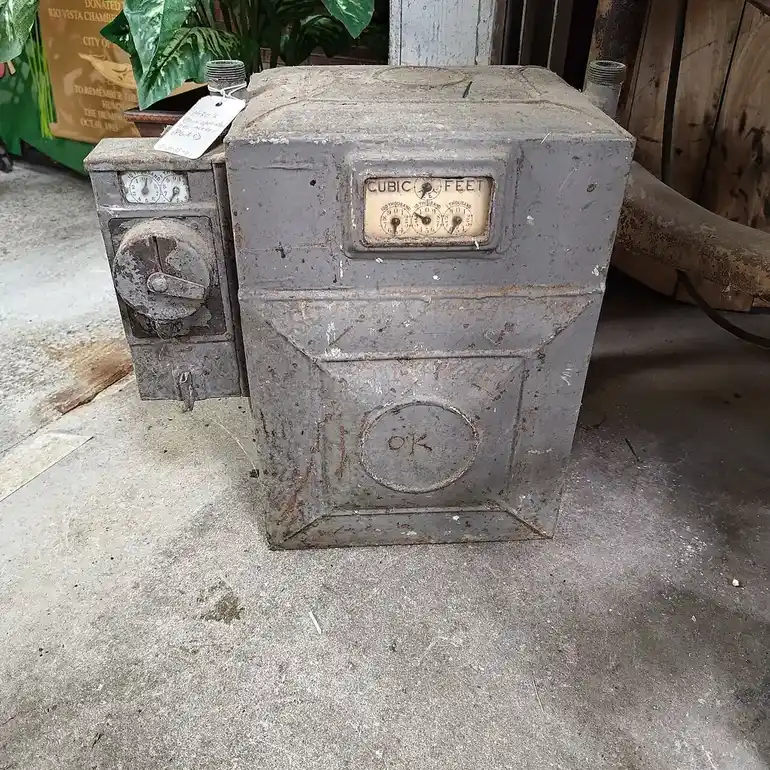
The ownership boundary sits at the meter. Atmos Energy owns and maintains the service line to the meter and responds to emergencies anywhere. From the meter into the house - the distribution lines, appliance branches, valves and connectors - the system belongs to the homeowner, maintained through work by a Texas license holder, under Dallas permits. That boundary explains both halves of the safety system: the utility's emergency response for events, and the homeowner's maintenance duty for condition.
Carbon monoxide: the quiet half
Gas appliances burning correctly produce heat, water vapor and carbon dioxide. Appliances burning poorly - starved of air or gas, sooted, badly vented or cracked in a heat exchanger - can produce carbon monoxide: colorless, odorless, and dangerous precisely because no drill can smell it. The defenses are layered and mundane: appliances serviced and burning with clean flames, venting intact and inspected when roofs or appliances change, and CO alarms on every level of the home (outside sleeping areas), tested on the smoke-alarm rhythm and replaced at their rated age.
Symptoms that should raise the CO question - headaches and dizziness that ease away from home, multiple household members (and pets) affected together, a furnace's lazy yellow flame, soot at appliance vents - earn a professional call and, if anyone feels seriously unwell, an emergency call and fresh air first. The alarm is the backstop; attention is the system.
PROBLEM
→
SOLUTION
Digging, connectors and the pressure test
The yard has rules too: Texas law requires calling 811 before digging so buried utilities - including your gas service line, which lies shallower than intuition suggests - get marked. Fence posts, trees, irrigation trenches and mailbox posts have all struck lines. A struck line is an emergency (leave the area, call from distance), not a repair appointment. Inside the home, the aging points are appliance connectors - replaced with the appliance, never inherited indefinitely - and any line disturbed by remodeling, which should return to service only after testing.
The pressure test is the system's certificate: lines isolated, air pressure applied to a specified level, a gauge watched for a set period. Holding means tight; falling means a leak to find (with approved detection fluid at joints, never a flame) and repair. Tests are required after new gas work and are the standard evidence at home sales and after any disturbance. Keep the record with the house papers - in gas, documentation is a safety device.
Gas in the Dallas housing eras
The city's gas story is written in its housing: prewar homes with threaded steel that has served eighty years and is reaching inspection age; postwar suburbs where gas heat and water were the modern standard; the CSST era in newer construction, with its bonding requirement; and the current generator era, where standby power has made residential gas loads larger than the original systems ever imagined. Each era's system deserves its own audit questions, and a home that has crossed eras - an old line feeding a new tankless, a generator added to a 1960s service - is exactly where the load calculation stops being paperwork and becomes the point.
Real-estate practice in Dallas has absorbed this: gas pressure tests and line inspections are increasingly standard in transactions involving older stock. Sellers who test early control the story; buyers who require the test buy the truth cheap.
Appliance flames: the homeowner's gauge
You own a free combustion instrument: your eyes. A healthy gas flame is blue, steady and shaped; a lazy, yellow, sooting or lifting flame is an appliance reporting distress - starved air, wrong pressure, a dirty burner or failing venting. Water heater and furnace flames are viewable at their inspection points (without opening anything sealed), and a change in flame character belongs on the service list promptly, next to the CO alarms' testimony. Soot marks above an appliance's draft hood are the written version of the same report.
This is not a call to tinker - burners, pressures and venting are professional territory. It is a call to notice: the household that reads its flames catches combustion problems in the maintenance era, which is where they are cheap and safe, rather than in the alarm era.
Myth vs Fact
The Myth
Gas leaks are only a worry in old houses. Age correlates, but the trigger list is age-blind: a struck yard line, a remodel-disturbed joint, a failed connector on a new appliance, an earthquake of one (a vehicle meeting a meter). The drill and the testing habit protect every era equally, which is why they are habits rather than inspections of old homes only.
VS
The Fact
The pressure test is the only verdict a gas system accepts. Smell, soap bubbles at a joint and a technician's ear all have their place in locating, but the system's health is certified one way: isolated, pressurized, gauged, and watched. A documented hold is the difference between believing a system is tight and knowing it.
The Related Service, In Depth
Carbon monoxide is the shadow subject of every gas page, and it deserves its sentence in the light: gas appliances that burn correctly produce mostly water vapor and carbon dioxide; appliances that burn poorly - starved, sooted, badly vented - can produce carbon monoxide, which is odorless and dangerous. The defenses are maintained appliances, correct venting, and CO alarms on every level of the home, tested like smoke alarms. Gas line work intersects here because sizing and venting are combustion's preconditions: a starved appliance is an unhappy burner, and the load calculation is partly a safety document.
That is the service side of this guide's subject. When you are ready, the Gas Line Services page carries the process, the coverage by neighborhood and the number to call.
The Process, Step by Step
Teach the household the smell drill today
Rotten-egg odor means out of the house - no switches, no searching - and Atmos Energy or 911 called from outside. Teach it like a fire drill, because it is one.
Walk the meter
Know its location, keep access clear and storage away, and know which side of it is yours to maintain. The boundary explains every gas responsibility you have.
Verify CO alarms on every level
Install outside sleeping areas, test with the smoke alarms, and note the replacement dates on the units. Alarms are the layer that watches while you sleep.
Call 811 before any digging
Fence posts, trees, irrigation - any excavation, however small. The marks are free; the struck line is an emergency, not a repair ticket.
Require the documented pressure test after any gas work
Isolated, pressurized, gauged, watched - and the record filed with the house papers. In gas, documentation is a safety device.
Prevention Checklist
Keep combustion appliances serviced: clean flames, intact venting, no soot - the annual HVAC service is a gas safety visit too.
Never use a gas range or oven to heat the home, and never run generators or grills indoors or in garages - CO does not need an invitation.
Replace flexible appliance connectors when appliances are replaced; do not let a connector outlive two appliances.
Store nothing against the meter or the furnace/water heater's combustion air supply.
If a gas appliance is removed, its branch must be capped by a license holder - an open or valve-only stub is not a cap.
A Field Checklist for Your Own Home
Teach the smell drill to every household member today - out, then call from outside.
Verify CO alarms on every level; test them; write their replacement dates on the units.
Walk the meter and clear anything stored against it; confirm the path to it is open.
Put 811 on the plan for the next yard project, however small the digging seems.
What the Paperwork Should Show
The professional scope for gas work is: load calculation for any addition or change, permitted installation in approved materials with appliance shutoffs, bonding where CSST is present, a documented pressure test of the affected system, and leak-checking of every joint at commissioning. The documentation - permit, test record, calculation - is delivered to the house file as part of the work.
For safety assessments, the scope is a system read: meter-to-appliance line condition, connector ages, venting state, appliance flame character, and a pressure test as the verdict. It is the gas system's physical exam, and older Dallas homes that have never had one are the ones that benefit most.
How a Professional Works This Problem
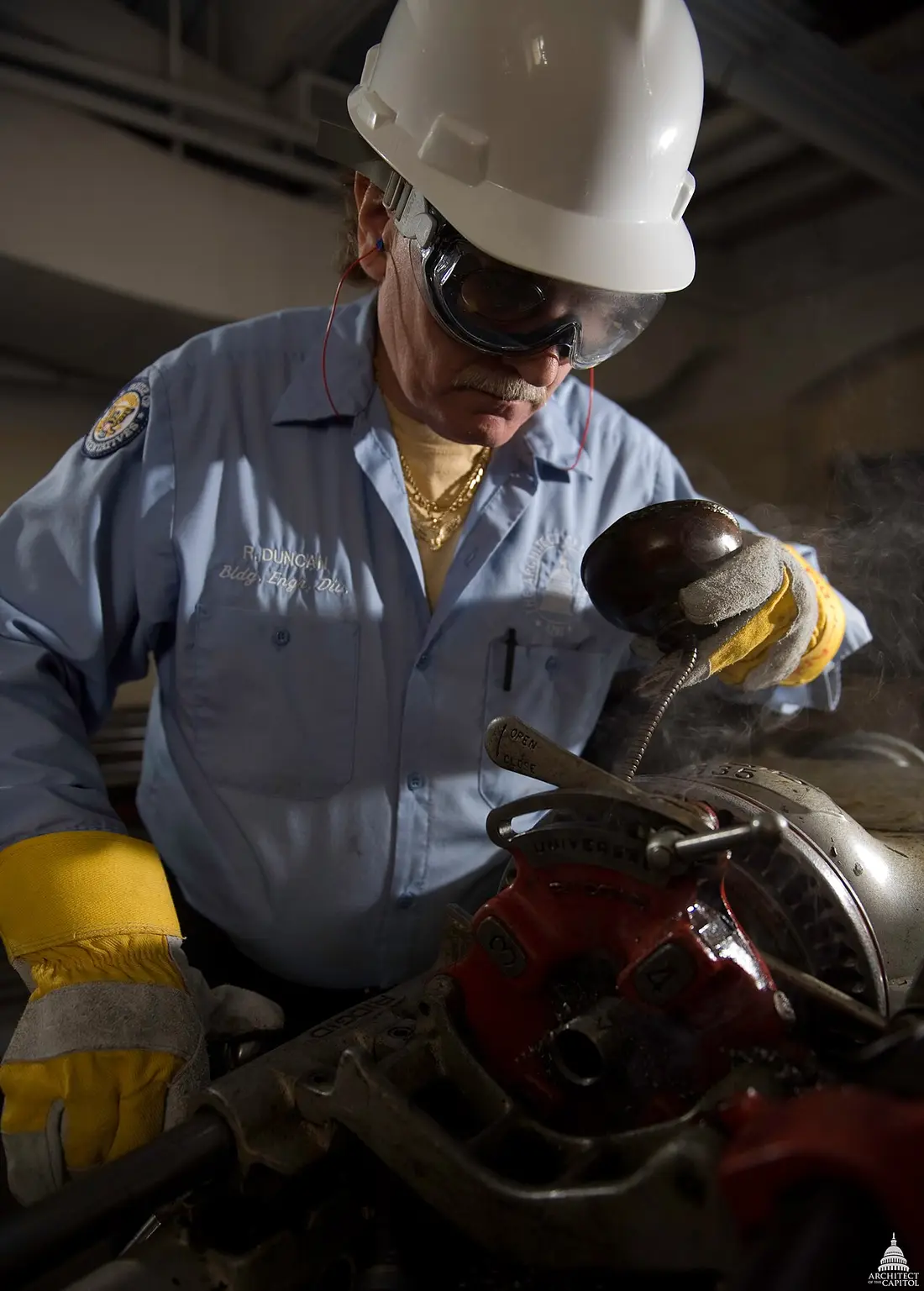
Gas professionals are documentalists by necessity: load calculations on paper, permits pulled, pressure tests recorded with numbers and durations, appliance connections leak-checked joint by joint. Their conservatism is the product. When a gas professional refuses a shortcut - the untested tie-in, the inherited connector, the oversized appliance on an uncalculated line - the refusal is the sound of the safety system working, and it should be priced as a feature.
Mistakes That Make It Worse
Digging a fence line or a tree pit without calling 811, on the theory that 'nothing is buried here' - the theory that strikes lines.
Capping a removed appliance's line with just its valve, or letting a remodel bury an untested joint inside a wall.
Adding a tankless heater or generator to a gas system sized for a furnace, without the load calculation - then diagnosing the starved appliances one by one.
Storing paint, boxes and holiday decorations against the furnace and water heater, starving their combustion air and blocking their service access.
The Bottom Line
Gas safety is a framework of small fidelities: the drill known, the alarms tested, the digging rule kept, the system tested and documented. None of it is dramatic - which is exactly what safety looks like when it is working.
Decide by the vessel, not the part: a failed element or valve on a young tank is a repair; the same failure on a ten-plus-year tank with rust or rumble is money lent to a vessel that is leaving.
Read slow drains by census: one fixture slow is local (trap, popup, hair), one bathroom slow is a branch, the whole house slow - or the lowest drain backing up - is the main or the lateral.
I smell gas but it is faint. Is the drill still necessary?
Yes - the drill has no faintness clause. Leave and call from outside. Gas professionals would rather clear a hundred faint smells than attend one strong one late. Your nose is the alarm; the drill is the response; neither negotiates.
Who do I call for a gas leak - a plumber or Atmos Energy?
For an active leak or odor: Atmos Energy or 911 first - they respond to the emergency and can shut the meter. For repairs to the house-side system afterward, and for all planned gas work, a plumber holding a Texas license, working under a Dallas permit, does the work and the pressure test.
How often should my home's gas lines be inspected?
There is no universal calendar, but the trigger events are clear: before a home purchase, after any line disturbance or remodel, when appliances are added or upsized, and whenever evidence appears (odor, corrosion, damaged lines, a struck yard line). The pressure test is the inspection's core.
Are CO alarms really necessary if my appliances are new?
Yes - new appliances can be badly vented, damaged or starved, and CO sources include fireplaces, generators and vehicles in attached garages, not just furnaces. Alarms are cheap, code-supported, and the only layer that watches while you sleep.
Please note: Dallas Plumbing Pros is an independent directory and referral service, not a plumbing contractor. The professionals reachable through this site are independent businesses; any agreement for work is between you and the professional you engage. Service information on this site is general educational material - the scope of any real plumbing work is set by an on-site inspection.
A Burst Pipe, a Backed-Up Drain or a Water Heater Gone Cold?
One call connects you with a plumbing professional serving Dallas and the surrounding communities - diagnosis, repair and a clear scope before work starts.