Gas Line Services in Farmers Branch
A small, established suburb of 1950s-70s homes - postwar systems at full age, kept with unusual civic pride.
Gas line installation, repair and pressure testing in Dallas - Atmos Energy territory, permitted work, and the safety rules that outrank everything else on this page.
The third constant is the sky's mood swings. North Texas summers push attic temperatures to extremes that age everything stored there - including the water heaters Texas builders insist on installing in them - while winters are mild until they are not: the February 2021 Winter Storm Uri froze and burst pipes across the metroplex, and every hard front since has replayed the lesson at smaller scale. Dallas plumbing is designed, repaired and winterized against that swing: pipes in exterior walls and crawl spaces are liabilities one week a decade, and certainties on a long enough calendar.
The fourth constant is the canopy. Dallas loves its trees - live oaks, pecans, hackberries, elms - and the trees love the moisture that seeps from sewer lateral joints. Root intrusion is the default diagnosis for a returning lateral clog in any neighborhood old enough to have both clay laterals and mature trees. Between the soil below, the water within, the sky above and the roots alongside, Dallas plumbing lives in a four-front negotiation - and the homes that fare best are the ones whose owners know all four fronts by name.
Rotten-egg odor anywhere near appliances, the meter or a line: leave, call Atmos Energy or 911 from outside. This is the only sign on the page that is not a service request; it is an evacuation with a phone call attached.
A gas range replacing electric, a dryer, a fireplace conversion, a pool or spa heater, an outdoor kitchen - each needs a line sized and run to its location, with the system's total load recalculated.
Tankless water heaters draw several times a tank's gas rate; standby generators are the largest load a home adds. Either can starve existing appliances on an undersized line - flickering, sooting and error codes are the symptoms of a sizing problem.
Kitchens and laundry rooms move in remodels, and the gas must move legally with them - capped properly where it leaves, run correctly where it lands, tested before the walls close.
Home sales, insurance renewals and post-incident clearances commonly require a documented pressure test of the gas system - the gauge's verdict, recorded, is the deliverable.
Corroded threaded steel, a line struck by digging or a vehicle, an old flexible connector past its years, a hissing sound near a line - physical evidence that the system needs professional eyes before it needs anything else.
Dallas's gas infrastructure is Atmos Energy's: the utility owns the service to the meter, and the home's system - the house lines, branches and appliance connectors - belongs to the homeowner from the meter onward. That boundary matters in an emergency (the utility responds to leaks and can shut the meter) and in projects (the house side is the plumber's permitted work). Texas licenses gas work under its plumbing framework, and Dallas requires permits and inspection for gas line installation and alteration - the paperwork is part of the safety system, not bureaucracy around it.
Sizing is the engineering heart of the service. Gas flows at low pressure, and every appliance declares its appetite in BTU per hour; the line must deliver the total simultaneous load at the farthest appliance without starving any. Distance, pipe diameter and the load table decide the runs - which is why adding a tankless heater (often 150,000-200,000 BTU) or a generator to a system sized for a furnace and a tank is a recalculation, not a tee fitting. Undersized systems confess through appliance behavior: burners that soot, heaters that error on ignition, flames that shrink when two appliances run. The fix is arithmetic made physical - larger or additional runs where the table demands them.
Materials and age write the repair side. Dallas's older homes carry threaded black steel - durable for decades, but threaded joints and exterior or crawl-space runs eventually corrode, and every remodel era added its own connectors. Flexible corrugated stainless (CSST) became common in newer work and carries its own bonding requirement for lightning protection - a detail inspectors check and older installs sometimes lack. The pressure test is the system's universal verdict: the lines are isolated, pressurized with air to a specified level, and the gauge is watched - a system that holds is tight, a system that falls has a leak to be found with approved detection fluid at the joints, never a flame. That test, documented, is what transactions and insurers are asking for.
Winter in Dallas is a mild season with a loaded tail: most weeks ask nothing, and then a front arrives that finds every uninsulated line in the city. The doctrine is forecast-based - when a hard freeze is predicted, the ritual runs: drip the far faucet, open the cabinet doors on exterior walls, keep the heat steady, know the shutoff. During the event, listen; at the thaw, walk the house and listen again, because Dallas pipes announce their splits when the ice lets go. A quiet winter is the ritual's reward.
Spring is Dallas plumbing's audit season. The winter's freeze stress - if the year had one - finishes announcing itself as the ground warms, and the spring rains saturate the clay, which swells and works on under-slab lines and laterals: slab leaks and slow laterals cluster in the wet weeks. It is the season to run the meter test, walk the yard for wet spots, camera any lateral that misbehaved in winter, and service the water heater before summer demand. Spring also opens the remodel calendar - the open-wall verdicts taken now are the least costly of the year.
Summer moves the stress indoors and up. Attics become ovens that age the water heaters sitting in them, irrigation systems run daily and hide yard leaks behind legitimate usage, and the clay - drying now - shrinks away from foundations and stresses the lines the wet spring swelled around. Slab leaks seeded by the moisture swing surface as bills spike alongside watering. Summer discipline: know your irrigation's normal consumption so a leak cannot hide inside it, keep the attic heater's pan drain clear, and treat a mid-summer bill anomaly as a leak until the meter test acquits it.
Carbon monoxide is the shadow subject of every gas page, and it deserves its sentence in the light: gas appliances that burn correctly produce mostly water vapor and carbon dioxide; appliances that burn poorly - starved, sooted, badly vented - can produce carbon monoxide, which is odorless and dangerous. The defenses are maintained appliances, correct venting, and CO alarms on every level of the home, tested like smoke alarms. Gas line work intersects here because sizing and venting are combustion's preconditions: a starved appliance is an unhappy burner, and the load calculation is partly a safety document.
The standby generator has quietly become the largest gas decision in Dallas homes, as ice-storm memory makes backup power a standing desire. A whole-home generator's appetite can exceed everything else in the house combined, and its install is where gas service, meter capacity and line sizing get their sternest test - sometimes answered by a meter upgrade coordinated with Atmos Energy. Planning the generator's gas with the same rigor as its electrical side is what separates a system that carries the house through the next Uri from one that falters at the first cold night's load.
Choose gas work by its credentials and its paperwork: performed by a license holder, permitted, pressure-tested and documented. Gas is the one system where the low bid's missing steps are the safety steps. And keep the page's first rule above every other: smell gas, leave, call from outside. No project and no curiosity outranks it.
Dallas plumbing starts with the ground itself. The city sits on the Blackland Prairie, whose expansive clay - the Houston Black soil series - swells when it takes on water and shrinks and cracks as it dries. That seasonal breathing moves everything buried in it or resting on it: slab foundations flex by fractions, under-slab water lines stress at the same points year after year, and sewer laterals open at their joints a hair at a time. A large share of Dallas plumbing work - slab leaks, lateral root intrusions, drains that lose their slope - is this single geological fact expressing itself through different pipes. Any diagnosis that ignores the soil is guessing.
The water itself is the second constant. Dallas drinks from reservoirs - Lake Ray Hubbard, Lewisville Lake, Grapevine Lake, Lake Tawakoni, Lake Fork and Lake Palestine among them - and the treated supply arrives moderately hard. Hardness is a maintenance schedule written into the water: it precipitates as scale inside water heaters, crusts aerators and showerheads, stiffens faucet cartridges, and demands yearly descaling from tankless units. It is not a safety issue; it is the reason Dallas plumbing maintenance has a rhythm that soft-water cities never learn.
Any odor or damage report is screened before scheduling talk: active-leak suspicion routes to evacuation and the utility. Project work proceeds only on a system believed sound or made safe.
Every appliance's BTU load, the simultaneous-use assumption, distances and the pressure available are tabled. The calculation sizes each run and decides whether the meter-side capacity supports the plan.
Lines are run in approved materials, supported and protected per code, with shutoff valves at appliances, sediment traps where required, and CSST bonded where present. The work is left accessible for inspection at the required stage.
The system is pressure-tested and the result documented; appliances are connected with correct connectors, leak-checked at every joint, and lit and observed. The paperwork - permit, test record - closes with the house's file.
Gas prevention is awareness: the smell drill, the digging rule, and appliances kept burning cleanly. It asks little and protects everything.
The communities around Dallas share its clay soil, its water and its freeze risk - with their own twists of housing era, slab construction and pier-and-beam stock.
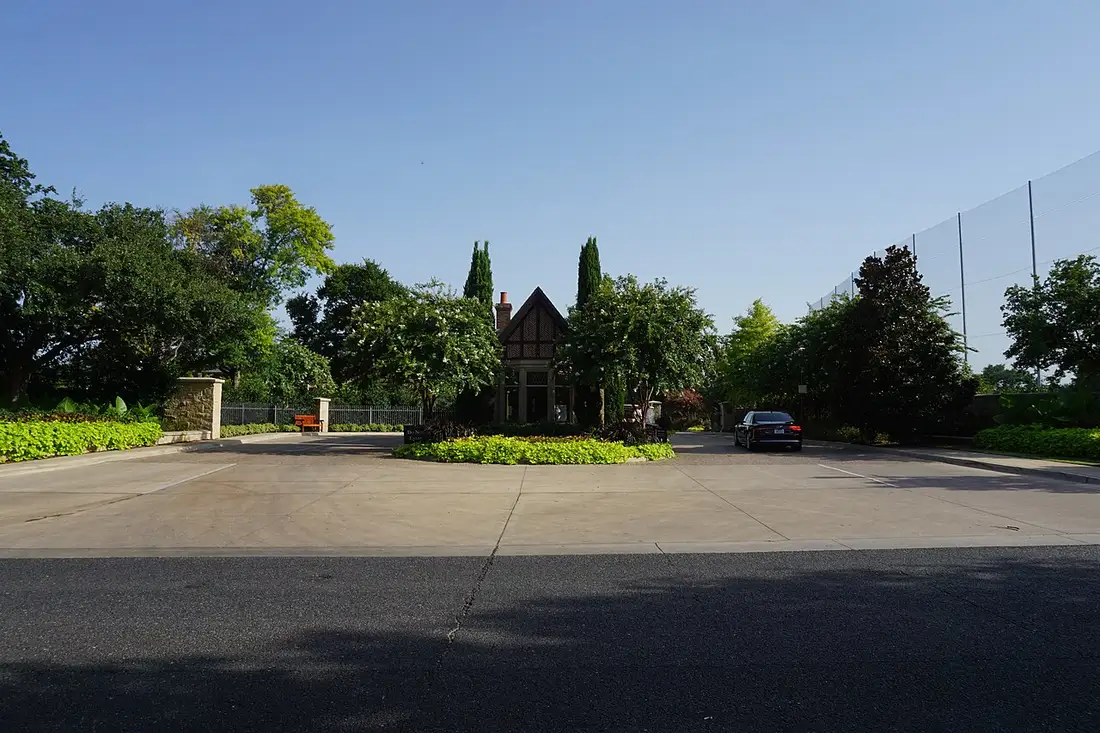
A small, established suburb of 1950s-70s homes - postwar systems at full age, kept with unusual civic pride.
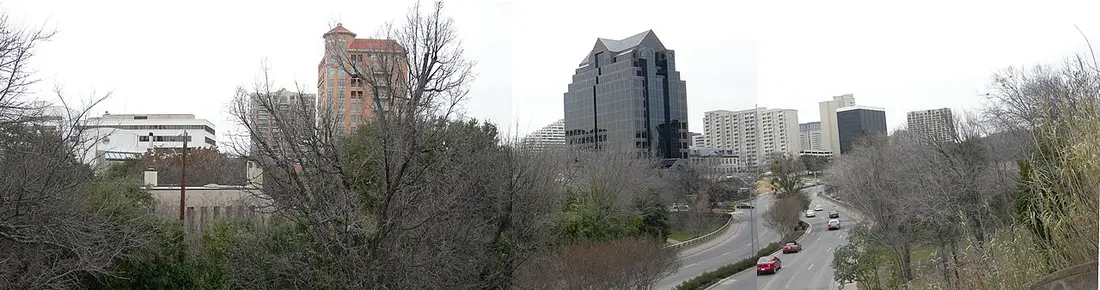
A small town of townhomes, condos and restaurant rows - shared systems and commercial loads in a few square miles.
1980s-2000s master-planned suburbia: big family homes whose first-generation systems are reaching decision age.
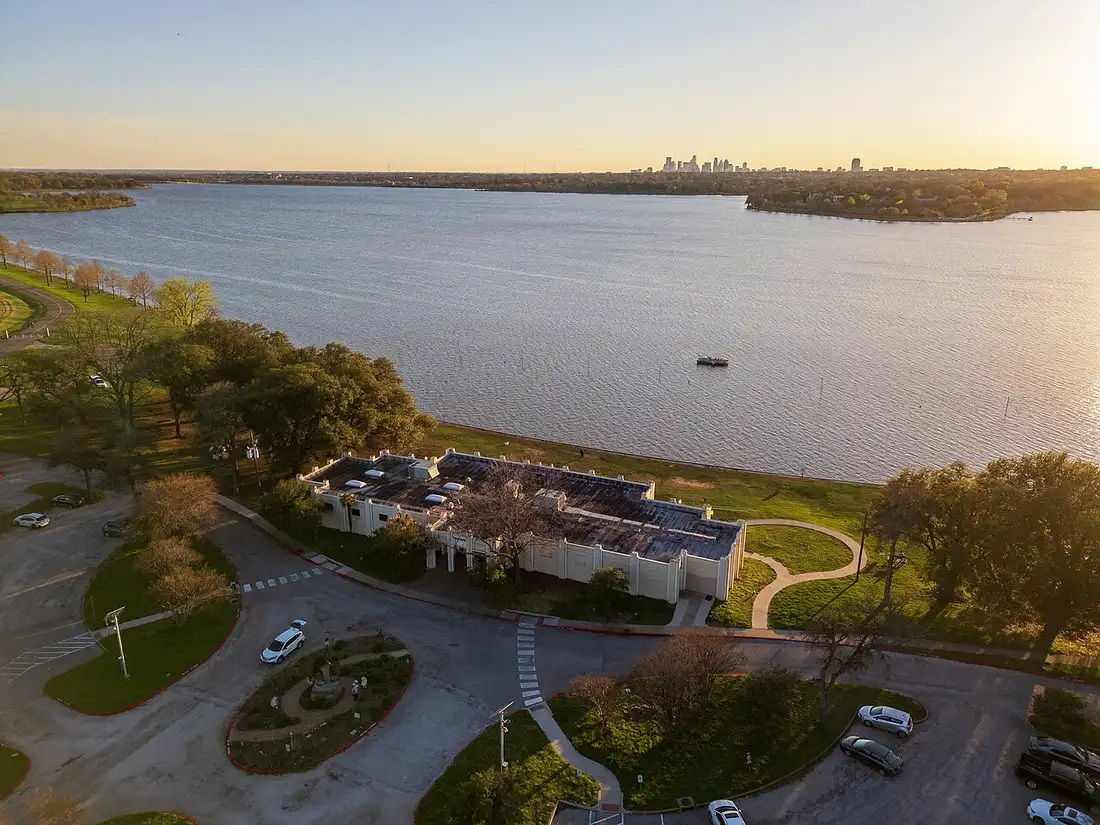
Lake city with a 1960s old town, 80s-90s subdivisions, and lake-side homes - three plumbing eras by neighborhood.
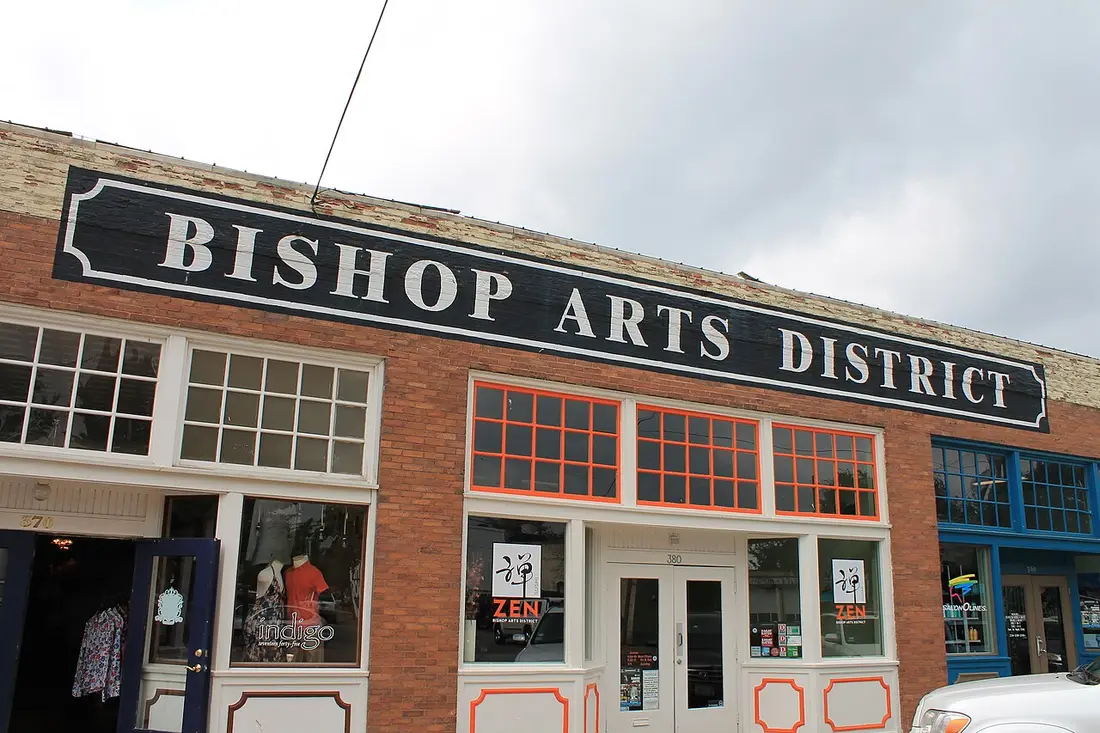
In the historic core, the Park Cities and the east side - Downtown Dallas, Uptown, Highland Park, University Park, Lakewood and Oak Lawn, Bishop Arts, Deep Ellum, North Dallas, East Dallas - the pipe stock runs from Dallas's oldest cast iron and clay to the boom-decade copper of the postwar subdivisions, and gas line services follows that record: century-old systems in the core, mid-life stock in the subdivisions, and shifting clay working on all of it at the same rate.
Across the north and west growth sides - Oak Cliff, South Dallas, Richardson, Garland, Mesquite, Irving and Grand Prairie, Plano, Frisco, McKinney, Allen, Carrollton - sit the slab subdivisions of the 1970s onward, the growth-edge suburbs and the second-generation systems now reaching their first renewals, which together make this the steadiest gas line services territory in the metro.
Beyond the city line, the same work runs in Farmers Branch, Addison, Coppell, Lewisville, Rowlett, Rockwall, DeSoto, Duncanville, Cedar Hill, Lancaster, Balch Springs - fast-growing suburbs and older inner-ring communities where slab stock, mature trees and small-city pipe add their own chapters. Every one of these area pages carries the local detail for gas line services in that community.
Every area we serve has its own Gas Line Services page with local detail.
Gas Line Services runs across the whole service map: Downtown Dallas, Uptown and Deep Ellum; Highland Park, University Park and Oak Lawn; Lakewood, East Dallas and Bishop Arts; North Dallas, Oak Cliff and South Dallas; and beyond the city in Richardson, Garland, Mesquite, Irving, Grand Prairie, Plano, Frisco, McKinney, Allen, Carrollton, Farmers Branch, Addison, Coppell, Lewisville, Rowlett, Rockwall, DeSoto, Duncanville, Cedar Hill, Lancaster and Balch Springs. One call covers all of it - the local pages above carry the detail for each. If your street is not named here, call anyway: routes grow with demand, and most Dallas County addresses are already within reach of a scheduled run.
If you smell gas - the rotten-egg odor - leave the house and call Atmos Energy or 911 from outside. No switches, no searching, no re-entry. This rule outranks everything else in this guide. From the meter inward, the gas system is the homeowner's: its lines, connectors and condition are yours to maintain through permitted work by a license holder - and a documented pressure test is its proof of health.
Read the GuideIn Texas, plumbing licenses are issued by the Texas State Board of Plumbing Examiners (TSBPE) - and homeowners can verify any license number free, in minutes, on the Board's public online lookup before hiring. Ask for the license number, verify it matches the person or company and is current, and remember the work must be performed by a master plumber, or under a master plumber's responsibility - the license holder of record.
Read the GuideDallas pipes usually burst at the freeze but announce at the thaw - the split is sealed by ice until the ice lets go, which is when the flooding starts. The vulnerable runs are predictable: exterior walls, attics, garages, hose bibb feeds and pier-and-beam crawl spaces. Insulation and the freeze-night ritual (drip, open cabinets, steady heat) prevent most events.
Read the GuideAtmos Energy owns and maintains the service line to the meter; from the meter into the house, the lines are the homeowner's. A leak on the house side is your repair (by a professional holding a license); the utility still responds to any gas emergency and can shut the meter for safety.
CSST is the flexible corrugated stainless tubing used in many newer Dallas installs. It is approved and common; its specific requirement is electrical bonding for lightning protection. If your home has CSST from an era when bonding was inconsistently done, having it checked and bonded is a prudent, scoped job.
Damaged or corroded sections are cut out and replaced - gas lines are repaired by renewal of the affected section, with the system pressure-tested afterward. The test, not the appearance, decides whether the repair is complete.
Their lines, valves and connectors are part of the house gas system and are covered by the same services: installation branches, connector renewal, and inclusion in system pressure tests. A fireplace that has not run in years deserves a check before its first fire of the season.
Leave the house immediately - no switches, no appliances, no searching. From outside or a neighbor's, call Atmos Energy's emergency line or 911. Do not re-enter until the utility or fire service clears it. Nothing in your home is worth the alternative; gas odor is treated as an emergency by professionals and should be by you.
Yes - it is among the most common gas services: a branch run from the existing system, sized for the new appliance's load within the system's total capacity, with its own shutoff, permitted and pressure-tested. The scope starts with the load calculation, because the new branch must not starve the appliances already served.
It is often the deciding factor. Both appliances draw multiples of what a tank heater uses; on a line sized for the old loads, they can starve themselves and everything else. The gas audit - meter capacity, line sizes, distances - comes before the appliance purchase, and any upsizing is permitted work.
The system is isolated and pressurized with air, and a gauge is watched for a set period: holding pressure proves the lines tight; a fall means a leak to locate and repair. Tests are required after new work, and commonly requested at home sales, after any line disturbance, and by insurers. The documented result is the point - keep it with the house papers.
One call connects you with a plumbing professional serving Dallas and the surrounding communities - diagnosis, repair and a clear scope before work starts.
📞 Call Now