Repiping in Farmers Branch
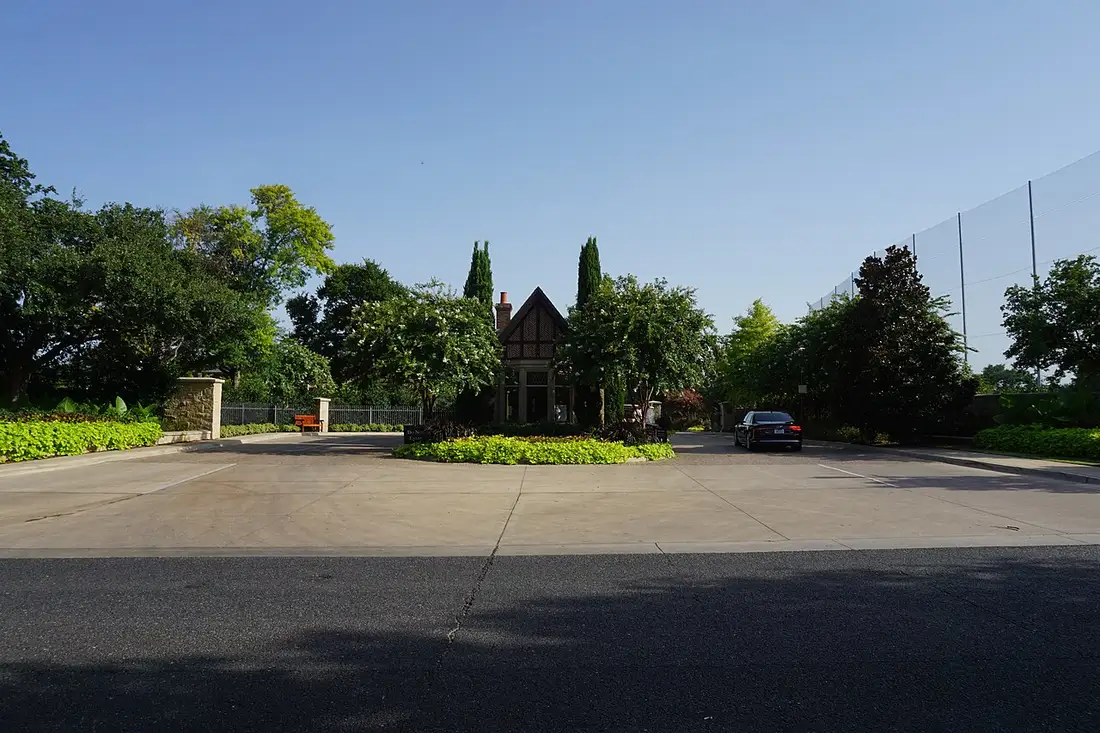
A small, established suburb of 1950s-70s homes - postwar systems at full age, kept with unusual civic pride.
Whole-house and partial repiping in Dallas - retiring galvanized, failing cast iron supply and polybutylene for modern PEX or copper, scoped by material and evidence.
The third constant is the sky's mood swings. North Texas summers push attic temperatures to extremes that age everything stored there - including the water heaters Texas builders insist on installing in them - while winters are mild until they are not: the February 2021 Winter Storm Uri froze and burst pipes across the metroplex, and every hard front since has replayed the lesson at smaller scale. Dallas plumbing is designed, repaired and winterized against that swing: pipes in exterior walls and crawl spaces are liabilities one week a decade, and certainties on a long enough calendar.
The fourth constant is the canopy. Dallas loves its trees - live oaks, pecans, hackberries, elms - and the trees love the moisture that seeps from sewer lateral joints. Root intrusion is the default diagnosis for a returning lateral clog in any neighborhood old enough to have both clay laterals and mature trees. Between the soil below, the water within, the sky above and the roots alongside, Dallas plumbing lives in a four-front negotiation - and the homes that fare best are the ones whose owners know all four fronts by name.
Galvanized supply rusts from the inside, narrowing the pipe's bore a fraction at a time. The far bathroom weakens first, then the shower's temper changes when a toilet flushes. Fading pressure in an older Dallas home is a material diagnosis until proven otherwise.
Water that runs tea-colored after a weekend away, or at the first draw of the day, is the pipe wall itself entering the water - galvanized or corroding steel announcing its interior state.
One pinhole is a repair. The second pinhole in the same system is the system testifying: the wall is thin in more places than the one that opened. Plural leaks are repiping's clearest trigger.
If your 1980s-90s Dallas-area home has the gray plastic supply pipe of that era, the material itself is the risk factor - its failure pattern is documented and its insurance and resale implications are real. Its presence starts the repipe conversation even before it leaks.
Under-slab lines that leak in sequence are telling you the run is at end of life. Spot repairs become a subscription; rerouting or repiping retires the problem's address.
A remodel that exposes the plumbing is the least costly repipe moment there is - the access is already paid for. Houses mid-renovation should get the material verdict before the walls close.
The materials timeline in Dallas runs like this. Prewar and early postwar homes: galvanized steel supply, cast-iron drains - the galvanized is now 70-plus years old where original, far past its design life, narrowed by rust tubercles that also shed into aerators and valves. Mid-century through the 1970s: copper supply (generally durable, though under-slab runs face the clay's flexing and some waters pit it) with cast-iron drainage aging into scale and bottom rot. Late 1970s through mid-1990s: the polybutylene era in the boom suburbs - a material whose oxidant-driven degradation made it the subject of national litigation and a standing replacement recommendation. Late 1990s onward: PEX and CPVC, with PEX becoming the Dallas standard for both new work and repipes.
Why PEX wins most Dallas repipes is local as much as technical. PEX is flexible - it routes through walls and attics with fewer fittings, and its flexibility tolerates both the clay's micro-movements at slab penetrations and a freeze event better than rigid pipe (it can expand slightly rather than splitting, though it is not freeze-proof). It does not scale or corrode in Dallas water, its installed cost beats copper, and a whole-house repipe can often be run overhead - abandoning the under-slab network entirely, which removes the slab-leak address from the house's future. Copper remains the choice where owners prefer it or where conditions argue for it; the material conversation is part of the scope, not a default.
Scope is the other professional judgment. A whole-house repipe replaces every supply run, the main, and new shutoffs and manifolds where the design calls for them. A partial scope - the under-slab network only, or one wing - suits houses whose remaining stock is young. Drain-side renewal (cast iron replacement) is a parallel project with its own logic, sometimes combined while access is open. Permits and inspection apply to the work in Dallas, and the project is sequenced so the house is without water for the shortest windows possible - most repipes keep the household running on the old system until the new one is ready to cut over, fixture by fixture.
Winter in Dallas is a mild season with a loaded tail: most weeks ask nothing, and then a front arrives that finds every uninsulated line in the city. The doctrine is forecast-based - when a hard freeze is predicted, the ritual runs: drip the far faucet, open the cabinet doors on exterior walls, keep the heat steady, know the shutoff. During the event, listen; at the thaw, walk the house and listen again, because Dallas pipes announce their splits when the ice lets go. A quiet winter is the ritual's reward.
Summer moves the stress indoors and up. Attics become ovens that age the water heaters sitting in them, irrigation systems run daily and hide yard leaks behind legitimate usage, and the clay - drying now - shrinks away from foundations and stresses the lines the wet spring swelled around. Slab leaks seeded by the moisture swing surface as bills spike alongside watering. Summer discipline: know your irrigation's normal consumption so a leak cannot hide inside it, keep the attic heater's pan drain clear, and treat a mid-summer bill anomaly as a leak until the meter test acquits it.
Fall is the preparation season, and Dallas homeowners who lived through February 2021 keep it faithfully. Insulate the exposed runs while the weather is kind, disconnect hoses before the first front rather than after, service the heater, descale the tankless, and rehearse the shutoff. The clay begins its wet-season swell as rains return, so fall is also when lateral roots - grown fat all summer - start closing lines: a pre-holiday camera or cleaning for a root-history lateral is the least costly insurance against a Thanksgiving backup.
The resale dimension of repiping is underappreciated until a sale is underway. Polybutylene disclosure, galvanized's known age, a history of slab leaks - buyers and their inspectors find these, and they price them in fear's currency. A documented repipe, permitted and inspected, converts the house's largest unknown into a selling point with paperwork. Owners planning a sale within a few years often find the repipe pays twice: once in their own remaining years of pressure and peace, and again at the closing table where the plumbing question has a clean answer.
Phasing is the pragmatic middle path many Dallas homes take: retire the worst system first (the under-slab network, or the polybutylene), keep the sound remainder, and schedule the rest on evidence rather than exhaustion. A good scope designs the phases so today's work never has to be undone by tomorrow's - manifolds placed for the future runs, routes that anticipate the second act. The verdict visit's real product is that map: what must go now, what may stay, and in what order the house becomes young again.
Choose repiping when the material has given its verdict - plural pinholes, polybutylene, galvanized twilight, slab leaks in series - and choose the scope that retires the system rather than negotiating with it. A repipe is the one plumbing project whose success is measured in decades of silence. Get the verdict in evidence, design the route with the future in it, and let the house be young again.
Dallas plumbing starts with the ground itself. The city sits on the Blackland Prairie, whose expansive clay - the Houston Black soil series - swells when it takes on water and shrinks and cracks as it dries. That seasonal breathing moves everything buried in it or resting on it: slab foundations flex by fractions, under-slab water lines stress at the same points year after year, and sewer laterals open at their joints a hair at a time. A large share of Dallas plumbing work - slab leaks, lateral root intrusions, drains that lose their slope - is this single geological fact expressing itself through different pipes. Any diagnosis that ignores the soil is guessing.
The water itself is the second constant. Dallas drinks from reservoirs - Lake Ray Hubbard, Lewisville Lake, Grapevine Lake, Lake Tawakoni, Lake Fork and Lake Palestine among them - and the treated supply arrives moderately hard. Hardness is a maintenance schedule written into the water: it precipitates as scale inside water heaters, crusts aerators and showerheads, stiffens faucet cartridges, and demands yearly descaling from tankless units. It is not a safety issue; it is the reason Dallas plumbing maintenance has a rhythm that soft-water cities never learn.
The house's pipe materials are identified - attic, crawl, meter and exposed runs tell the story - and the symptoms are matched against the material's known failure pattern. The verdict separates a repipe house from a repair house.
Whole or partial, overhead or in-place, PEX or copper, manifold or trunk-and-branch. The route design is where under-slab runs get retired and future access gets planned - shutoffs where the next generation will thank you for them.
New lines are run while the old system still serves the house wherever possible. Openings are planned and minimal - attic and wall access rather than demolition - and the work is inspected at the stages the permit requires.
Fixtures transfer to the new system, the old lines are drained and abandoned properly, pressure is tested, every fixture is run, and the water is checked for clarity as the new system flushes clean. The house ends with a new circulatory system and a map of where it runs.
For a house approaching a repipe, prevention is timing: gathering the verdict early enough that the project happens on your calendar, with your walls opened by plan rather than by water.
The communities around Dallas share its clay soil, its water and its freeze risk - with their own twists of housing era, slab construction and pier-and-beam stock.
A small, established suburb of 1950s-70s homes - postwar systems at full age, kept with unusual civic pride.
A small town of townhomes, condos and restaurant rows - shared systems and commercial loads in a few square miles.
1980s-2000s master-planned suburbia: big family homes whose first-generation systems are reaching decision age.
Lake city with a 1960s old town, 80s-90s subdivisions, and lake-side homes - three plumbing eras by neighborhood.
In the historic core, the Park Cities and the east side - Downtown Dallas, Uptown, Highland Park, University Park, Lakewood and Oak Lawn, Bishop Arts, Deep Ellum, North Dallas, East Dallas - the pipe stock runs from Dallas's oldest cast iron and clay to the boom-decade copper of the postwar subdivisions, and repiping follows that record: century-old systems in the core, mid-life stock in the subdivisions, and shifting clay working on all of it at the same rate.
Across the north and west growth sides - Oak Cliff, South Dallas, Richardson, Garland, Mesquite, Irving and Grand Prairie, Plano, Frisco, McKinney, Allen, Carrollton - sit the slab subdivisions of the 1970s onward, the growth-edge suburbs and the second-generation systems now reaching their first renewals, which together make this the steadiest repiping territory in the metro.
Beyond the city line, the same work runs in Farmers Branch, Addison, Coppell, Lewisville, Rowlett, Rockwall, DeSoto, Duncanville, Cedar Hill, Lancaster, Balch Springs - fast-growing suburbs and older inner-ring communities where slab stock, mature trees and small-city pipe add their own chapters. Every one of these area pages carries the local detail for repiping in that community.
Every area we serve has its own Repiping page with local detail.
Repiping runs across the whole service map: Downtown Dallas, Uptown and Deep Ellum; Highland Park, University Park and Oak Lawn; Lakewood, East Dallas and Bishop Arts; North Dallas, Oak Cliff and South Dallas; and beyond the city in Richardson, Garland, Mesquite, Irving, Grand Prairie, Plano, Frisco, McKinney, Allen, Carrollton, Farmers Branch, Addison, Coppell, Lewisville, Rowlett, Rockwall, DeSoto, Duncanville, Cedar Hill, Lancaster and Balch Springs. One call covers all of it - the local pages above carry the detail for each. If your street is not named here, call anyway: routes grow with demand, and most Dallas County addresses are already within reach of a scheduled run.
Older Dallas sewer laterals are clay tile (jointed every few feet) with cast-iron house drains - and both materials are at or past their design lives in the prewar and postwar neighborhoods. The failure team is consistent: clay-soil movement opens joints, tree roots enter them, cast iron scales and rots from inside. Recurring clogs are the symptom; the camera is the diagnosis.
Read the GuideDallas's treated reservoir water is moderately hard - typically in the 3.5 to 7 grains-per-gallon band - and that is enough to scale water heaters, crust fixtures and shorten appliance lives on a predictable schedule. A softener fixes hardness (scale, spots, soap performance); carbon filtration fixes taste and chlorine. They are different tools for different complaints, and an inexpensive home test tells you which you have.
Read the GuidePlumbing prices are built from factors, not pulled from a chart: what failed, where it sits (slab, wall, attic, yard), how much must be opened to reach it, the materials involved, and what the opened work reveals. Access is the silent multiplier in Dallas: the same repair costs very differently through a crawl space than through a slab and a tile floor. Detection and camera work exist to shrink that unknown before the quote.
Read the GuidePolybutylene was a gray plastic supply pipe installed widely from the late 1970s to the mid-1990s - Plano, Allen, Richardson and other boom suburbs are full of it. It degrades from the inside under chlorinated water, failing at fittings and along runs with little warning. Its presence is a standing repipe recommendation and a disclosure item at sale.
A well-routed repipe works through attics, closets and planned access points, minimizing openings; overhead routing often avoids floors entirely. Some patching is normal and is scoped in advance. The route design's job is to make the openings few, small and known before the first cut.
Only on their own evidence: cast-iron drains at end of life (chronic scaling, bottom rot on camera) are a parallel renewal that pairs efficiently with a supply repipe's open access. Sound drains are left alone - the camera, not the calendar, decides.
Yes - repiping is permitted work in Dallas, with inspection at the required stages. The permit record becomes part of the house's file, which matters at resale and for insurance.
By material and pattern. Galvanized with fading pressure and rust, polybutylene by its mere presence at its age, copper with plural pinholes, any system with repeated slab leaks - these are system verdicts. A single leak in a young, sound system is a repair. The diagnostic visit matches your symptoms to your materials and says which house you have.
Most single-family repipes run a few days, with the new system built alongside the old so the house keeps water for most of the project. Planned shutoff windows happen at cutovers, usually measured in hours. The scope and route design set the exact calendar, and it is agreed before work starts.
PEX is the common Dallas choice: flexible routing (fewer openings, overhead runs that retire slab lines), freeze tolerance, no scaling in local water, and lower installed cost. Copper has its advocates and specific uses. The scope conversation weighs your house's layout, water and preferences rather than declaring a universal winner.
When the cause is narrowed galvanized or scaled pipe, yes - new full-bore lines restore the pressure the street delivers (with a regulator keeping it sane). When the cause is the municipal supply or a failing regulator, repiping alone will not invent pressure - which is why the verdict measures pressure and flow before promising anything.
One call connects you with a plumbing professional serving Dallas and the surrounding communities - diagnosis, repair and a clear scope before work starts.
📞 Call Now