Plumbing Fixtures in Farmers Branch
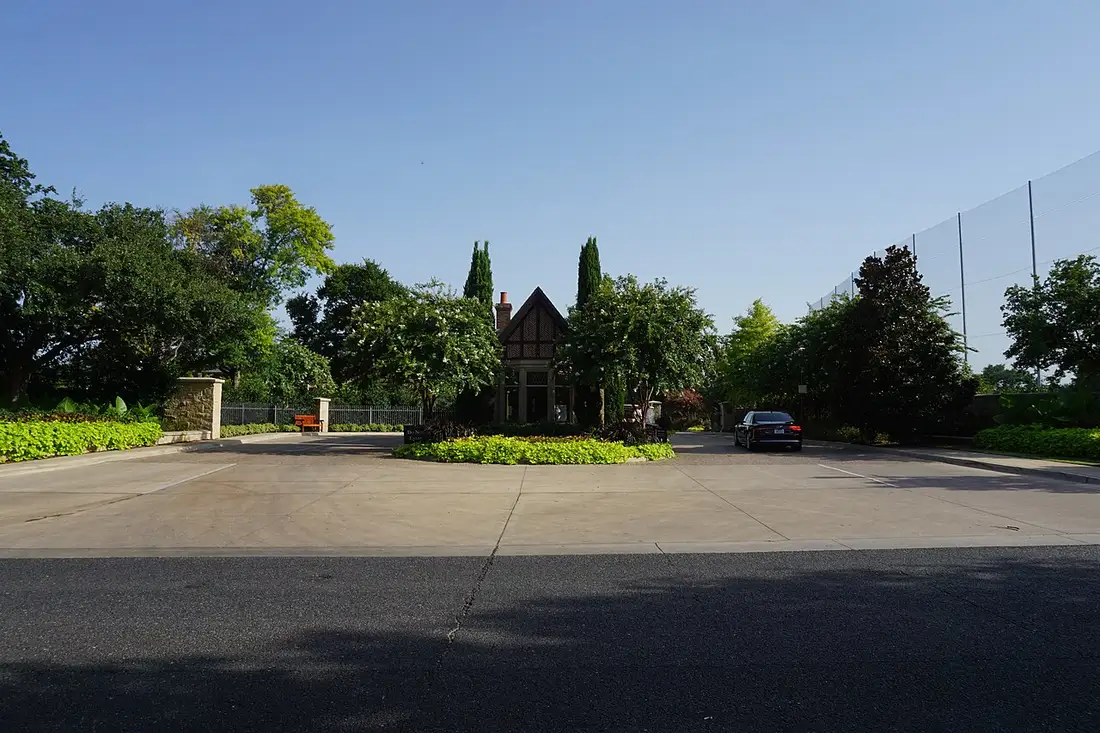
A small, established suburb of 1950s-70s homes - postwar systems at full age, kept with unusual civic pride.
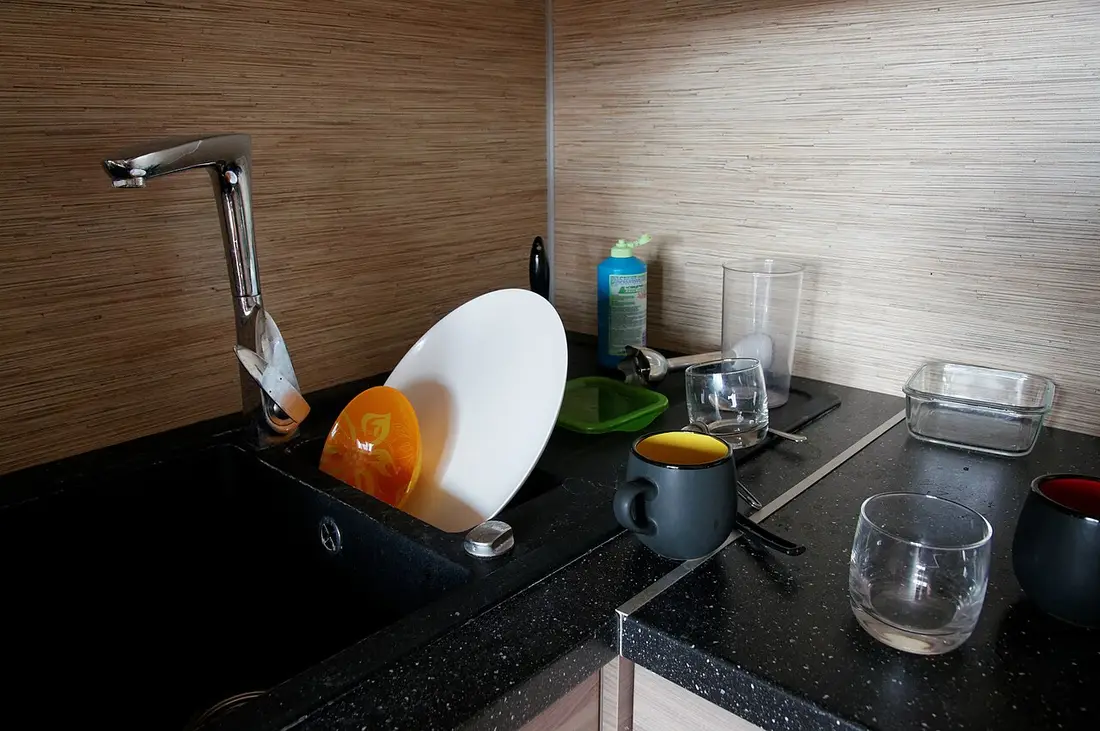
Faucets, shower valves, disposals and fixture replacement in Dallas - cartridge-era repairs, hard-water wear, and the shutoff stops nobody maintains.
The third constant is the sky's mood swings. North Texas summers push attic temperatures to extremes that age everything stored there - including the water heaters Texas builders insist on installing in them - while winters are mild until they are not: the February 2021 Winter Storm Uri froze and burst pipes across the metroplex, and every hard front since has replayed the lesson at smaller scale. Dallas plumbing is designed, repaired and winterized against that swing: pipes in exterior walls and crawl spaces are liabilities one week a decade, and certainties on a long enough calendar.
The fourth constant is the canopy. Dallas loves its trees - live oaks, pecans, hackberries, elms - and the trees love the moisture that seeps from sewer lateral joints. Root intrusion is the default diagnosis for a returning lateral clog in any neighborhood old enough to have both clay laterals and mature trees. Between the soil below, the water within, the sky above and the roots alongside, Dallas plumbing lives in a four-front negotiation - and the homes that fare best are the ones whose owners know all four fronts by name.
On cartridge fixtures there is no washer to change - the cartridge itself, scaled and scored, is the seal. A drip that returns after basic attention is the cartridge declaring its term over.
Mineral scale and worn stems make handles fight back; temperature that wanders in the shower is a pressure-balance or thermostatic element aging. Handles are the fixture's status display - believe them.
The fixture area's real emergency: supply lines, angle stops, drain tailpieces and disposal seals all live in that dark box. Any moisture there is a find-it-now problem, because cabinet floors and subfloors keep the secret until they cannot.
A hum is a jam or a dying motor; a leak from the bottom is the unit's internal seal gone (replacement, not repair); a leak at the flange or dishwasher port is a connection. Disposals are honest about which one it is - the water's location tells.
Older non-pressure-balanced valves let a flush steal the cold and spike the shower hot. Beyond comfort it is a scald-safety item, and modern valve replacement is the actual fix.
The visible tip of the hardness iceberg: when aerators crust monthly and showerheads spray sideways, the same mineral is at work inside every cartridge and valve the house owns.
Fixture mechanisms sort into eras. Compression faucets (two handles, washers, seats) survive in Dallas's oldest homes and are repairable almost indefinitely - washers, seats, packing. Cartridge faucets dominate the modern stock: a replaceable cartridge contains the seals and the metering, and the repair is the swap - with the Dallas caveat that scale can freeze a cartridge into its body until extraction becomes a skill. Ceramic-disc fixtures seal on lapped discs that hard water's grit can score. Shower valves add safety engineering: pressure-balance and thermostatic designs protect against scald spikes, and their cartridges and balancing spools are wear parts in mineral water. Knowing which mechanism a fixture runs is the first diagnostic act, because it decides whether the repair is a washer, a cartridge or a retirement.
The disposal deserves its own honest paragraph. It is a grinding turntable, not a liquefier: bones, grease, fibrous vegetables and coffee grounds in quantity defeat it or the line beyond it. Its failure modes are mechanical (jams at the flywheel, objects in the chamber), electrical (the reset and the switch before the motor verdict), and hydraulic (the seals, which when they go, mean replacement). The Dallas angle is the drain beyond it: ground food plus grease in a flat kitchen lateral is the classic clog recipe, so disposal habits and drain health are the same conversation.
Under every fixture sits the neglected infrastructure: angle stops (the small supply valves) and supply lines. Stops that have not moved in a decade often will not close when needed, and their washers and seats are the same age as the house's last remodel. Supply lines age out - the braided-steel standard should still be inspected and renewed on a rhythm, because the under-sink flood from a burst line is the fixture world's worst dollar event. A fixture service visit that renews the stops and lines while the water is off is buying the house out of its most likely water damage - the faucet's drip is merely the appointment's occasion.
Fall is the preparation season, and Dallas homeowners who lived through February 2021 keep it faithfully. Insulate the exposed runs while the weather is kind, disconnect hoses before the first front rather than after, service the heater, descale the tankless, and rehearse the shutoff. The clay begins its wet-season swell as rains return, so fall is also when lateral roots - grown fat all summer - start closing lines: a pre-holiday camera or cleaning for a root-history lateral is the least costly insurance against a Thanksgiving backup.
Spring is Dallas plumbing's audit season. The winter's freeze stress - if the year had one - finishes announcing itself as the ground warms, and the spring rains saturate the clay, which swells and works on under-slab lines and laterals: slab leaks and slow laterals cluster in the wet weeks. It is the season to run the meter test, walk the yard for wet spots, camera any lateral that misbehaved in winter, and service the water heater before summer demand. Spring also opens the remodel calendar - the open-wall verdicts taken now are the least costly of the year.
Winter in Dallas is a mild season with a loaded tail: most weeks ask nothing, and then a front arrives that finds every uninsulated line in the city. The doctrine is forecast-based - when a hard freeze is predicted, the ritual runs: drip the far faucet, open the cabinet doors on exterior walls, keep the heat steady, know the shutoff. During the event, listen; at the thaw, walk the house and listen again, because Dallas pipes announce their splits when the ice lets go. A quiet winter is the ritual's reward.
Fixtures are fashion's front line in plumbing, which creates a quiet trap: the beautiful fixture with orphan parts. Established manufacturers publish parts diagrams and keep cartridges available for decades; decorative imports may not survive their first repair. The Dallas professional's counsel is unfashionable and valuable - choose fixtures whose wear parts you can buy in ten years, keep the model numbers with the house papers, and buy the spare cartridge for an unusual fixture while it is certainly available. A faucet is a twenty-year relationship; its paperwork is the prenup.
The shower valve deserves its reputation as the fixture not to cheapen or neglect: it is the only fixture whose failure hides inside a wall, whose scald protection is a safety system, and whose replacement requires opening the wall it lives in. Remodels that renew it while the wall is open are practicing the least costly wisdom in this entire site. Between remodels, its cartridge and balancing spool are the wear items whose renewal restores temperature manners - and whose neglect presents, eventually, as the wall's moisture testimony.
Choose fixture work that renews the wear system, not just the symptom - cartridge, seals, stops and lines judged together while the water is off. And choose fixtures themselves for their tenth year: parts availability and a maker's staying power are features as real as the finish. The hand meets the plumbing at the fixtures; they should feel like the system behind them is cared for.
Dallas plumbing starts with the ground itself. The city sits on the Blackland Prairie, whose expansive clay - the Houston Black soil series - swells when it takes on water and shrinks and cracks as it dries. That seasonal breathing moves everything buried in it or resting on it: slab foundations flex by fractions, under-slab water lines stress at the same points year after year, and sewer laterals open at their joints a hair at a time. A large share of Dallas plumbing work - slab leaks, lateral root intrusions, drains that lose their slope - is this single geological fact expressing itself through different pipes. Any diagnosis that ignores the soil is guessing.
The water itself is the second constant. Dallas drinks from reservoirs - Lake Ray Hubbard, Lewisville Lake, Grapevine Lake, Lake Tawakoni, Lake Fork and Lake Palestine among them - and the treated supply arrives moderately hard. Hardness is a maintenance schedule written into the water: it precipitates as scale inside water heaters, crusts aerators and showerheads, stiffens faucet cartridges, and demands yearly descaling from tankless units. It is not a safety issue; it is the reason Dallas plumbing maintenance has a rhythm that soft-water cities never learn.
Mechanism, age, brand and parts availability; the leak's exact origin (spout, handle, base, below); the water's contribution. The read decides repair versus replace before any part is ordered.
The angle stops close (or the house valve when a stop fails its audition - information in itself), the fixture is opened or removed with the finish protected, and the wear parts come out for inspection.
Cartridge or washers and seats, seals and O-rings - and while access is open, the stops and supply lines are judged and usually renewed. Half-measures inside a fixture are how the same drip books a second visit.
The fixture is reassembled, temperature and flow verified, handles indexed correctly, and the cabinet below inspected dry after a full-pressure soak period. The job ends with the fixture boring again.
Fixture prevention is mineral management plus small-part stewardship: descale on rhythm, exercise the valves, and renew the supply lines before they ask.
The communities around Dallas share its clay soil, its water and its freeze risk - with their own twists of housing era, slab construction and pier-and-beam stock.
A small, established suburb of 1950s-70s homes - postwar systems at full age, kept with unusual civic pride.
A small town of townhomes, condos and restaurant rows - shared systems and commercial loads in a few square miles.
1980s-2000s master-planned suburbia: big family homes whose first-generation systems are reaching decision age.
Lake city with a 1960s old town, 80s-90s subdivisions, and lake-side homes - three plumbing eras by neighborhood.
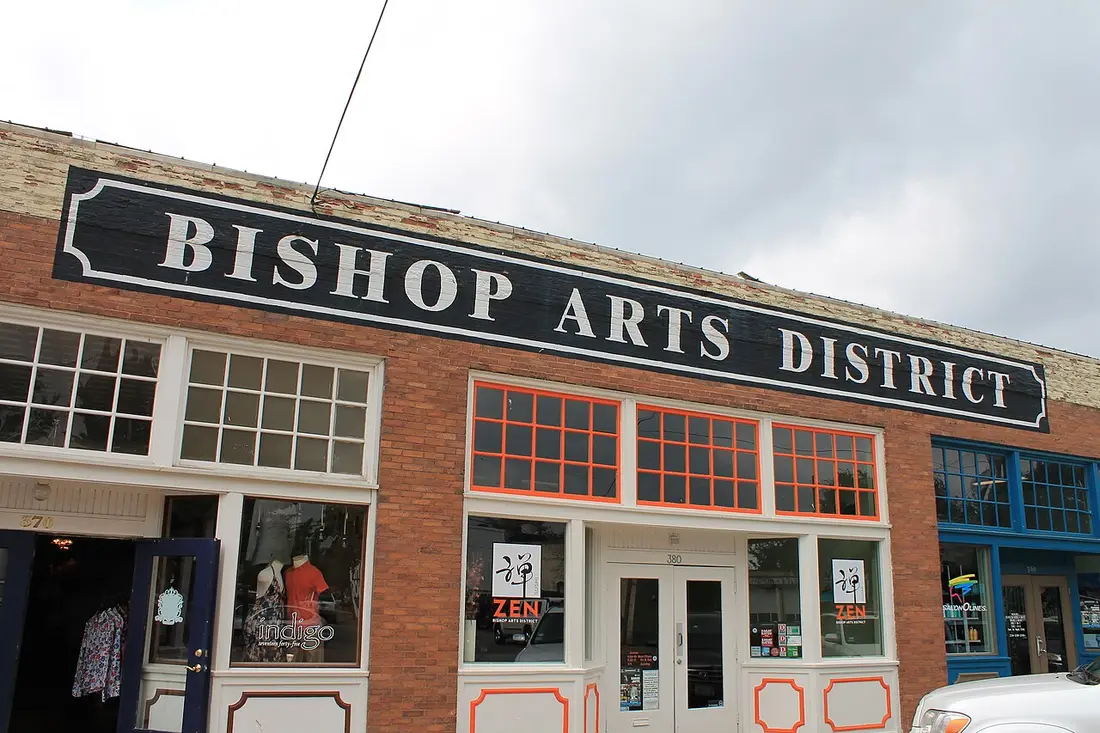
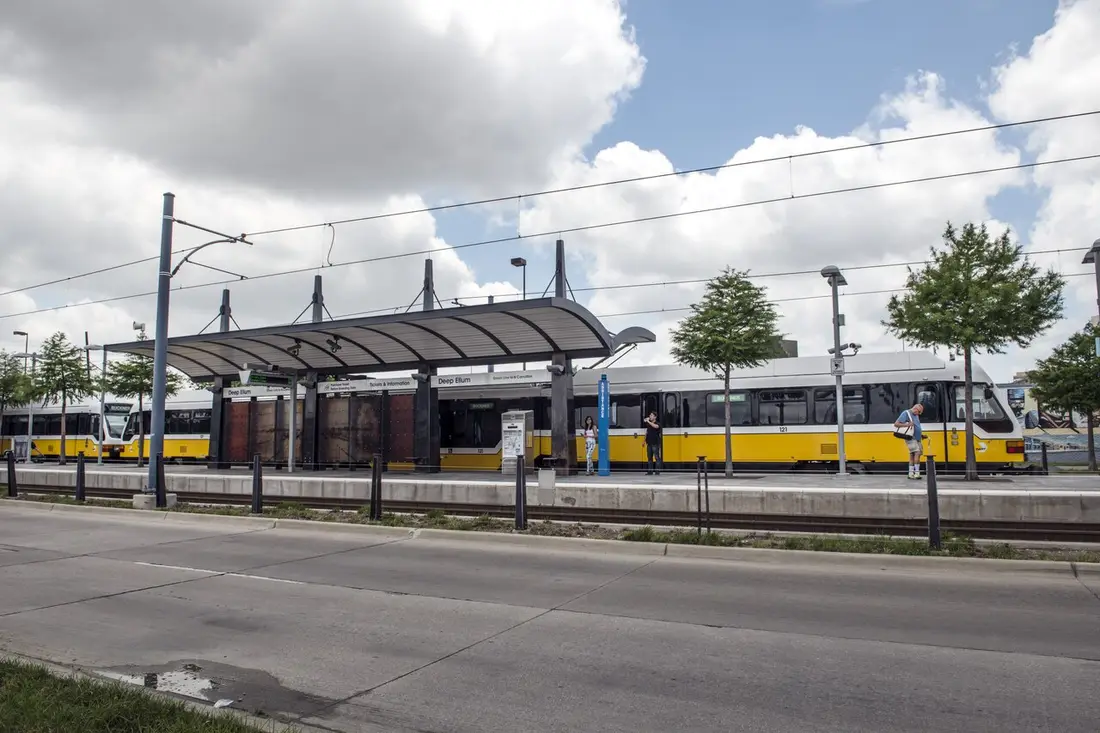
In the historic core, the Park Cities and the east side - Downtown Dallas, Uptown, Highland Park, University Park, Lakewood and Oak Lawn, Bishop Arts, Deep Ellum, North Dallas, East Dallas - the pipe stock runs from Dallas's oldest cast iron and clay to the boom-decade copper of the postwar subdivisions, and plumbing fixtures follows that record: century-old systems in the core, mid-life stock in the subdivisions, and shifting clay working on all of it at the same rate.
Across the north and west growth sides - Oak Cliff, South Dallas, Richardson, Garland, Mesquite, Irving and Grand Prairie, Plano, Frisco, McKinney, Allen, Carrollton - sit the slab subdivisions of the 1970s onward, the growth-edge suburbs and the second-generation systems now reaching their first renewals, which together make this the steadiest plumbing fixtures territory in the metro.
Beyond the city line, the same work runs in Farmers Branch, Addison, Coppell, Lewisville, Rowlett, Rockwall, DeSoto, Duncanville, Cedar Hill, Lancaster, Balch Springs - fast-growing suburbs and older inner-ring communities where slab stock, mature trees and small-city pipe add their own chapters. Every one of these area pages carries the local detail for plumbing fixtures in that community.
Every area we serve has its own Plumbing Fixtures page with local detail.
Plumbing Fixtures runs across the whole service map: Downtown Dallas, Uptown and Deep Ellum; Highland Park, University Park and Oak Lawn; Lakewood, East Dallas and Bishop Arts; North Dallas, Oak Cliff and South Dallas; and beyond the city in Richardson, Garland, Mesquite, Irving, Grand Prairie, Plano, Frisco, McKinney, Allen, Carrollton, Farmers Branch, Addison, Coppell, Lewisville, Rowlett, Rockwall, DeSoto, Duncanville, Cedar Hill, Lancaster and Balch Springs. One call covers all of it - the local pages above carry the detail for each. If your street is not named here, call anyway: routes grow with demand, and most Dallas County addresses are already within reach of a scheduled run.
Older Dallas sewer laterals are clay tile (jointed every few feet) with cast-iron house drains - and both materials are at or past their design lives in the prewar and postwar neighborhoods. The failure team is consistent: clay-soil movement opens joints, tree roots enter them, cast iron scales and rots from inside. Recurring clogs are the symptom; the camera is the diagnosis.
Read the GuidePlumbing prices are built from factors, not pulled from a chart: what failed, where it sits (slab, wall, attic, yard), how much must be opened to reach it, the materials involved, and what the opened work reveals. Access is the silent multiplier in Dallas: the same repair costs very differently through a crawl space than through a slab and a tile floor. Detection and camera work exist to shrink that unknown before the quote.
Read the GuideDallas's treated reservoir water is moderately hard - typically in the 3.5 to 7 grains-per-gallon band - and that is enough to scale water heaters, crust fixtures and shorten appliance lives on a predictable schedule. A softener fixes hardness (scale, spots, soap performance); carbon filtration fixes taste and chlorine. They are different tools for different complaints, and an inexpensive home test tells you which you have.
Read the GuideHighly variable by brand and usage - five to ten years is a fair expectation, shortened by grit and hardness, lengthened by any softening. Stiffening handles and early drips are the renewal signals; cartridges are consumables by design.
Yes - a valve leaking inside the wall cavity soaks framing and backing silently, and presents as tile grout failure or a stain on the ceiling below. Shower valves that drip into the wall (wetness at the escutcheon, musty odor at the access) deserve prompt attention precisely because the damage is hidden.
Used with discipline - cold water, modest loads, no grease or fibrous bulk - it is compatible with healthy drains. Used as a trash liquefier feeding a flat, aging kitchen lateral, it is a clog subscription. The disposal is rarely the villain; the load and the line decide.
It is the least costly moment to do it: walls are open, stops and supplies are accessible, and the new finish deserves valves that will not need opening the wall in three years. Remodels that keep twenty-year-old shower valves behind new tile are borrowing trouble at full price.
Repair when the fixture is quality, its finish is sound and its parts exist - a cartridge or washer set restores it fully. Replace when the body itself is corroded, the design is a discontinued orphan, or the household wants the upgrade anyway. The honest variable is parts availability, which the diagnostic read establishes first.
Your shower valve lacks working pressure-balance protection: the flush draws cold water, the mix spikes hot. Older valves never had the feature; newer ones have it in a cartridge or spool that scale can disable. The fix ranges from renewing the balancing element to replacing the valve with a modern pressure-balanced or thermostatic model - a genuine safety upgrade, not a luxury.
Usually not: a hum means the motor is powered but the flywheel is jammed - a bone, a cap, a utensil's edge. Power off, press the reset, and turn the flywheel by hand with the hex socket underneath (or a wooden handle from above), then retrieve the object with tongs. A disposal that still hums after the flywheel turns freely has a motor verdict; one that leaks from its bottom seam has a replacement verdict.
They are the small shutoff valves where each fixture's supply leaves the wall - the valves you close to service a faucet or stop a toilet. They sit unused for years and seize; a fixture visit that tests and renews them ensures the house's smallest emergencies stay small. In Dallas's older stock, original stops are often the weakest link under the sink.
One call connects you with a plumbing professional serving Dallas and the surrounding communities - diagnosis, repair and a clear scope before work starts.
📞 Call Now