Burst Pipe Repair in Farmers Branch
A small, established suburb of 1950s-70s homes - postwar systems at full age, kept with unusual civic pride.
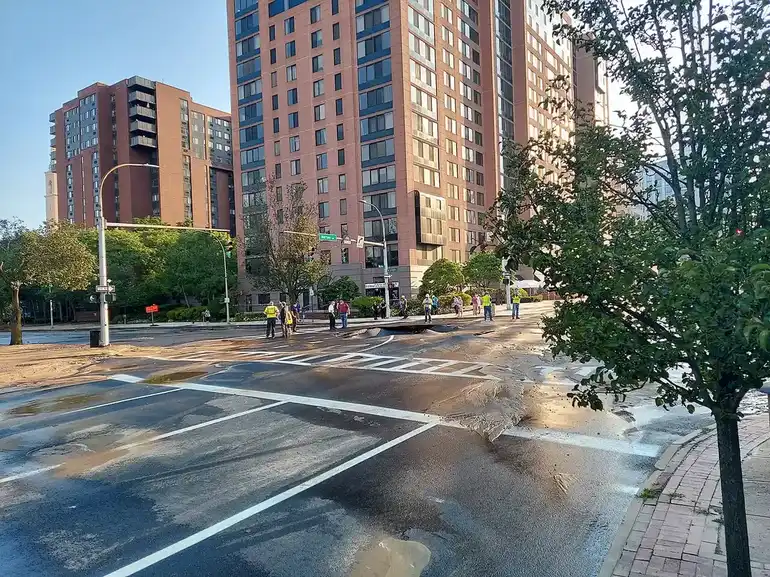
Burst and split pipe repair in Dallas - freeze splits, pressure failures and clay-stressed lines, from the shutoff to the verified fix.
The third constant is the sky's mood swings. North Texas summers push attic temperatures to extremes that age everything stored there - including the water heaters Texas builders insist on installing in them - while winters are mild until they are not: the February 2021 Winter Storm Uri froze and burst pipes across the metroplex, and every hard front since has replayed the lesson at smaller scale. Dallas plumbing is designed, repaired and winterized against that swing: pipes in exterior walls and crawl spaces are liabilities one week a decade, and certainties on a long enough calendar.
The fourth constant is the canopy. Dallas loves its trees - live oaks, pecans, hackberries, elms - and the trees love the moisture that seeps from sewer lateral joints. Root intrusion is the default diagnosis for a returning lateral clog in any neighborhood old enough to have both clay laterals and mature trees. Between the soil below, the water within, the sky above and the roots alongside, Dallas plumbing lives in a four-front negotiation - and the homes that fare best are the ones whose owners know all four fronts by name.
The sound of water in a wall, ceiling or yard with no fixture open - a burst announces acoustically before it announces visually, especially in the quiet of night.
A major split drops the house's pressure noticeably; conversely, a fixture that suddenly runs dirty or sputters may be reporting a break upstream letting air and sediment in.
Stains spreading in real time, baseboards weeping, a wet yard patch in freezing weather, water at the slab's edge - the burst has found its exit, which is not necessarily near the break.
During a hard freeze a dripping faucet stops (frozen); at the thaw, water sounds begin. That sequence is the classic Dallas burst signature - the pipe split while frozen and speaks when the ice lets go.
The same master test as any leak, at emergency speed: if the meter runs with everything closed, the system is open somewhere and the shutoff is the first tool.
Frozen (not burst) lines, bulging pipe sections, frost on an interior run - warnings that the split is one cold night away. A frozen pipe caught before the thaw is a burst prevented.
The freeze burst is a physics story: water expanding as it freezes builds pressure between the ice plug and the nearest closed valve or fixture, and the pipe splits where that pressure finds its weakest point - often not where the ice is. In Dallas homes the vulnerable runs are predictable: supply lines in exterior walls (especially north and west), attic runs above insulation, garage lines, hose bibbs and their interior feeds, and pier-and-beam crawl spaces where wind drives cold under the house. Uri exposed all of them at once, and the city's repair memory now includes which streets and eras suffered most - knowledge a good repair visit uses when judging what else to inspect.
Non-freeze bursts have their own Dallas logic. Pressure: the city's supply pressure varies by neighborhood and elevation, and a failed or absent pressure regulator can subject a house to sustained high pressure that finds the weakest joint - often a clay-flexed under-slab line or a corroded fitting. Corrosion: galvanized at its end and copper pitting in certain waters thin walls until ordinary pressure suffices. And the clay itself: a joint flexed ten thousand times by soil cycles eventually splits along the stress line, usually announcing as a slab leak that escalates. The burst is the symptom; the visit's job is the cause.
The repair options ladder from splice to strategy. A clean split in sound pipe takes a section replacement. A burst in a deteriorated run argues for replacing the run, not the inch that failed. A burst in an attic or exterior wall argues for rerouting the replacement inside the conditioned envelope where the next freeze cannot reach it - the Uri-era standard. And a burst that reveals system-wide deterioration (the regulator dead, the material spent) argues for the larger conversation while the water is already off and the wall already open. Every burst repair ends with pressure testing and a meter watch: the fix is verified, and the system is proven whole.
Fall is the preparation season, and Dallas homeowners who lived through February 2021 keep it faithfully. Insulate the exposed runs while the weather is kind, disconnect hoses before the first front rather than after, service the heater, descale the tankless, and rehearse the shutoff. The clay begins its wet-season swell as rains return, so fall is also when lateral roots - grown fat all summer - start closing lines: a pre-holiday camera or cleaning for a root-history lateral is the least costly insurance against a Thanksgiving backup.
Summer moves the stress indoors and up. Attics become ovens that age the water heaters sitting in them, irrigation systems run daily and hide yard leaks behind legitimate usage, and the clay - drying now - shrinks away from foundations and stresses the lines the wet spring swelled around. Slab leaks seeded by the moisture swing surface as bills spike alongside watering. Summer discipline: know your irrigation's normal consumption so a leak cannot hide inside it, keep the attic heater's pan drain clear, and treat a mid-summer bill anomaly as a leak until the meter test acquits it.
Winter in Dallas is a mild season with a loaded tail: most weeks ask nothing, and then a front arrives that finds every uninsulated line in the city. The doctrine is forecast-based - when a hard freeze is predicted, the ritual runs: drip the far faucet, open the cabinet doors on exterior walls, keep the heat steady, know the shutoff. During the event, listen; at the thaw, walk the house and listen again, because Dallas pipes announce their splits when the ice lets go. A quiet winter is the ritual's reward.
Freeze forecasting is now good enough that a Dallas burst should usually be a prevented event: the fronts that split pipes announce themselves days ahead, and the preparation ritual (insulate, drip, open cabinets, disconnect hoses) is an evening's work. The households caught out are typically those whose vulnerable runs were unknown - the exterior-wall feed behind the kitchen sink, the attic line above the garage - which is why a home's first winter deserves a deliberate hunt for exposed plumbing, ideally guided by someone who knows where builders hide it. Prevention knowledge, once gained, is permanent; the pipes do not move.
There is also a civic rhythm to Dallas freeze events: when a hard front grips the whole metroplex, every plumber's phone rings at the thaw and the queue is measured in days. The households that fare best in that week are the ones whose damage stopped at the shutoff - a contained repair waits its turn calmly, while an uncontained one cannot wait at all. If this page has a single sentence to remember in January, it is that the shutoff converts an emergency into an appointment.
Choose the repair that answers the burst's question - why this pipe, why now - and not just the one that stops the water. A splice in a doomed run is a sequel scheduled; a repair with its cause corrected is a story that ends. And choose, this week rather than this winter, to learn your shutoff and insulate your exposed runs: the least costly burst is the one that never gets its night.
Dallas plumbing starts with the ground itself. The city sits on the Blackland Prairie, whose expansive clay - the Houston Black soil series - swells when it takes on water and shrinks and cracks as it dries. That seasonal breathing moves everything buried in it or resting on it: slab foundations flex by fractions, under-slab water lines stress at the same points year after year, and sewer laterals open at their joints a hair at a time. A large share of Dallas plumbing work - slab leaks, lateral root intrusions, drains that lose their slope - is this single geological fact expressing itself through different pipes. Any diagnosis that ignores the soil is guessing.
The water itself is the second constant. Dallas drinks from reservoirs - Lake Ray Hubbard, Lewisville Lake, Grapevine Lake, Lake Tawakoni, Lake Fork and Lake Palestine among them - and the treated supply arrives moderately hard. Hardness is a maintenance schedule written into the water: it precipitates as scale inside water heaters, crusts aerators and showerheads, stiffens faucet cartridges, and demands yearly descaling from tankless units. It is not a safety issue; it is the reason Dallas plumbing maintenance has a rhythm that soft-water cities never learn.
Main shutoff, then drain the system by opening low faucets. If the burst is a hot line, the heater's valve and energy go off too. This step is the homeowner's and it cannot start too early.
With water stopped, the break is located and exposed - guided by where water traveled, sound, and the house's known runs. The failed section is read for its cause: split pattern, wall condition, joint state.
Section, run or reroute - the scope matches what the failed pipe testified. A freeze split in an exposed run gets rerouted or insulated to the standard the next front demands; a pressure failure gets its regulator addressed in the same visit.
Pressure test, meter watch at rest, every nearby fixture run, and the opened surfaces made ready for closing. The visit ends with a system proven whole and a prevention list specific to the house.
Burst prevention in Dallas is a winter ritual plus a pressure habit. The ritual is seasonal and short; the habit is a single measurement most homes have never taken.
The communities around Dallas share its clay soil, its water and its freeze risk - with their own twists of housing era, slab construction and pier-and-beam stock.
A small, established suburb of 1950s-70s homes - postwar systems at full age, kept with unusual civic pride.
A small town of townhomes, condos and restaurant rows - shared systems and commercial loads in a few square miles.
1980s-2000s master-planned suburbia: big family homes whose first-generation systems are reaching decision age.
Lake city with a 1960s old town, 80s-90s subdivisions, and lake-side homes - three plumbing eras by neighborhood.
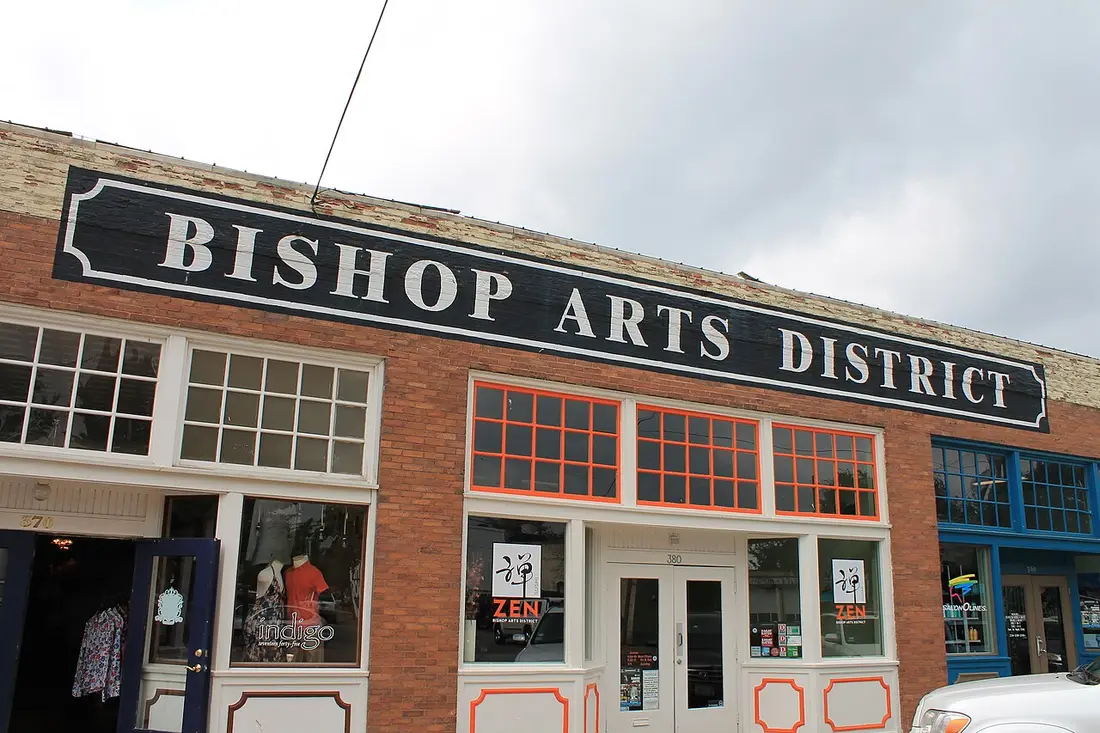
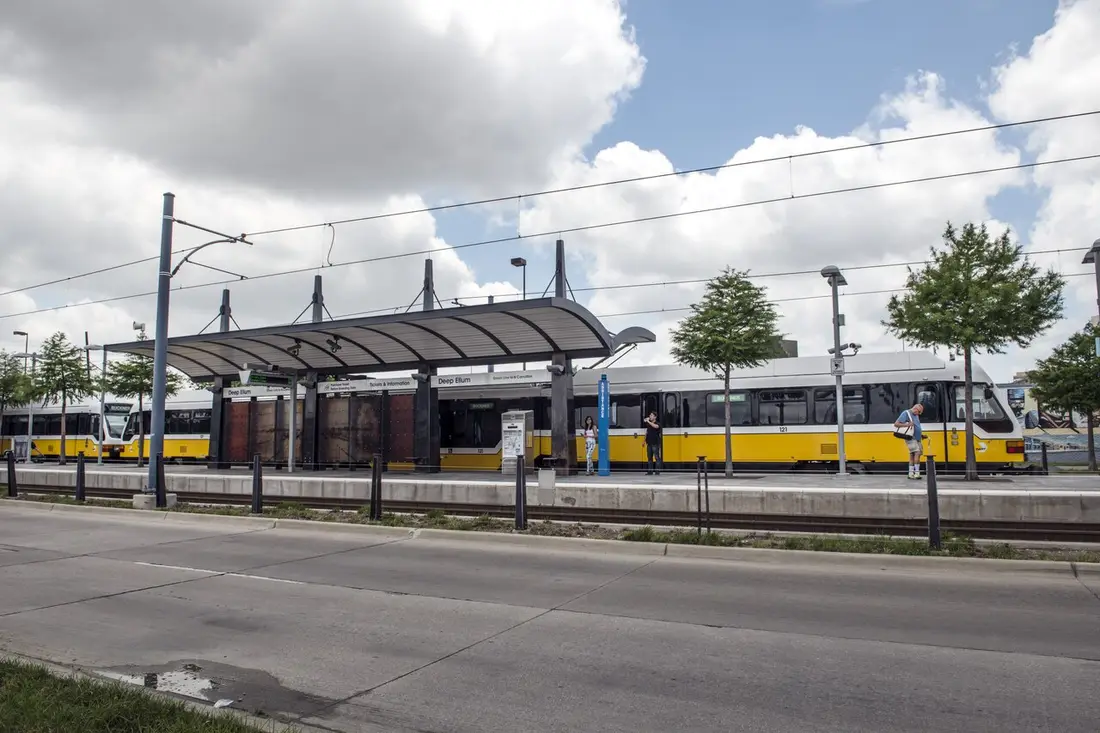
In the historic core, the Park Cities and the east side - Downtown Dallas, Uptown, Highland Park, University Park, Lakewood and Oak Lawn, Bishop Arts, Deep Ellum, North Dallas, East Dallas - the pipe stock runs from Dallas's oldest cast iron and clay to the boom-decade copper of the postwar subdivisions, and burst pipe repair follows that record: century-old systems in the core, mid-life stock in the subdivisions, and shifting clay working on all of it at the same rate.
Across the north and west growth sides - Oak Cliff, South Dallas, Richardson, Garland, Mesquite, Irving and Grand Prairie, Plano, Frisco, McKinney, Allen, Carrollton - sit the slab subdivisions of the 1970s onward, the growth-edge suburbs and the second-generation systems now reaching their first renewals, which together make this the steadiest burst pipe repair territory in the metro.
Beyond the city line, the same work runs in Farmers Branch, Addison, Coppell, Lewisville, Rowlett, Rockwall, DeSoto, Duncanville, Cedar Hill, Lancaster, Balch Springs - fast-growing suburbs and older inner-ring communities where slab stock, mature trees and small-city pipe add their own chapters. Every one of these area pages carries the local detail for burst pipe repair in that community.
Every area we serve has its own Burst Pipe Repair page with local detail.
Burst Pipe Repair runs across the whole service map: Downtown Dallas, Uptown and Deep Ellum; Highland Park, University Park and Oak Lawn; Lakewood, East Dallas and Bishop Arts; North Dallas, Oak Cliff and South Dallas; and beyond the city in Richardson, Garland, Mesquite, Irving, Grand Prairie, Plano, Frisco, McKinney, Allen, Carrollton, Farmers Branch, Addison, Coppell, Lewisville, Rowlett, Rockwall, DeSoto, Duncanville, Cedar Hill, Lancaster and Balch Springs. One call covers all of it - the local pages above carry the detail for each. If your street is not named here, call anyway: routes grow with demand, and most Dallas County addresses are already within reach of a scheduled run.
Dallas pipes usually burst at the freeze but announce at the thaw - the split is sealed by ice until the ice lets go, which is when the flooding starts. The vulnerable runs are predictable: exterior walls, attics, garages, hose bibb feeds and pier-and-beam crawl spaces. Insulation and the freeze-night ritual (drip, open cabinets, steady heat) prevent most events.
Read the GuideIn Texas, plumbing licenses are issued by the Texas State Board of Plumbing Examiners (TSBPE) - and homeowners can verify any license number free, in minutes, on the Board's public online lookup before hiring. Ask for the license number, verify it matches the person or company and is current, and remember the work must be performed by a master plumber, or under a master plumber's responsibility - the license holder of record.
Read the GuideDecide by the vessel, not the part: a failed element or valve on a young tank is a repair; the same failure on a ten-plus-year tank with rust or rumble is money lent to a vessel that is leaving. In Dallas water, tank life runs eight to twelve years, with yearly flushing and anode care earning the long end. An attic location raises the stakes - a neglected attic tank is a ceiling claim waiting for its date.
Read the GuideSudden water damage from a burst is commonly covered; the pipe repair itself often is not, and freeze coverage can hinge on the home being heated and maintained. Photograph everything, keep the failed pipe section, and notify the insurer promptly - policies vary and this page is not coverage advice.
The water stops in minutes (your shutoff), and a straightforward section repair is typically a same-day job once accessed. Reroutes and multi-break freeze events take longer. The verification - pressure test and meter watch - is included in the visit, not scheduled separately.
Yes - a freeze event stresses every exposed run, and a pressure or corrosion cause implicates the whole system. The repair visit includes reading the neighboring runs and the pressure, because the least costly second burst is the one prevented during the first repair.
Then it presents as a slab leak that escalated - the detection sequence (meter, isolation, pinpoint) locates it, and the repair route follows the slab-leak logic: spot repair or reroute. The shutoff-first rule is identical.
Shut off the main water supply - before anything else, before towels, before photographs. Then open faucets to drain the system, keep clear of water near anything electrical, and call. The repair conversation happens after the water stops; every minute of flow is damage you will pay to undo.
Ice expands and pressurizes the water trapped between the ice plug and the closed end of the line; the pipe splits at that pressure's weakest point, which may be feet from the ice. It is also why a pipe can seem fine during the freeze and flood at the thaw - the split was there, sealed by ice, until the ice let go.
A clean split in otherwise sound pipe is properly repaired by replacing the section - that is a repair, not a patch. Tape, clamps and epoxy are emergency bridges only. And when the failed pipe testifies to age, corrosion or exposure, the honest scope is the run or the reroute, not the inch.
Insulate the exposed runs, reroute the ones in exterior walls where feasible, manage freeze nights with drips and open cabinets, disconnect hoses, and keep the house's pressure regulated. A burst address, once known, should be hardened deliberately - Dallas freezes are not annual, but they are certain on a long enough calendar.
One call connects you with a plumbing professional serving Dallas and the surrounding communities - diagnosis, repair and a clear scope before work starts.
📞 Call Now